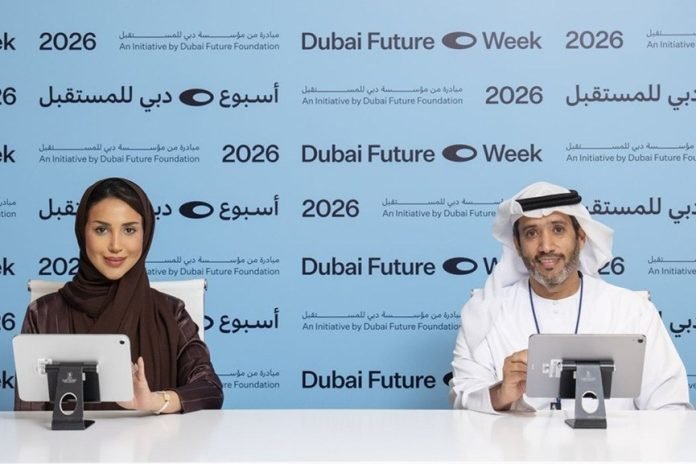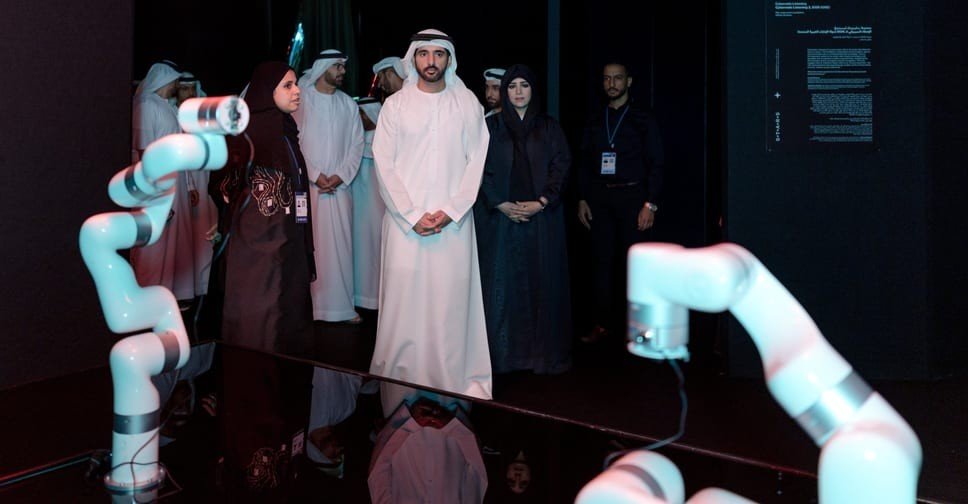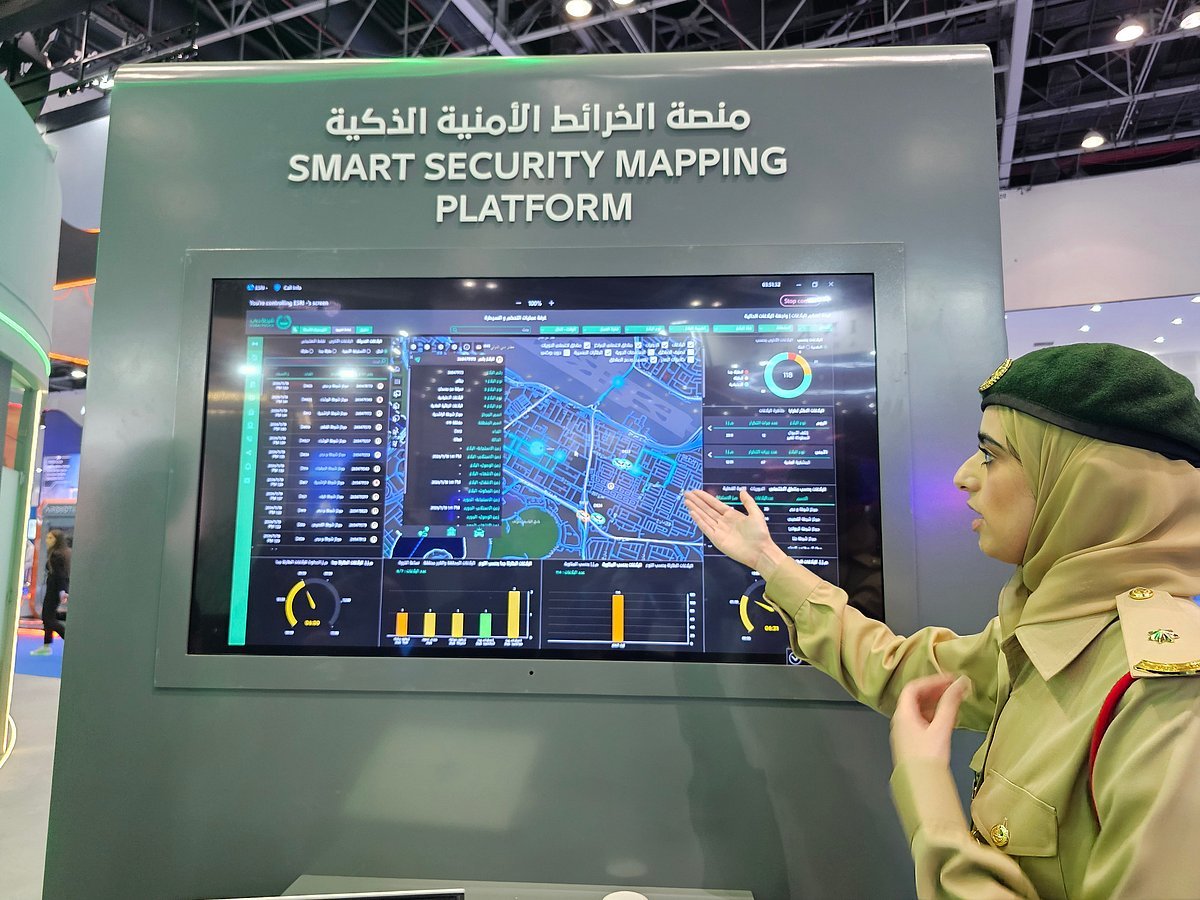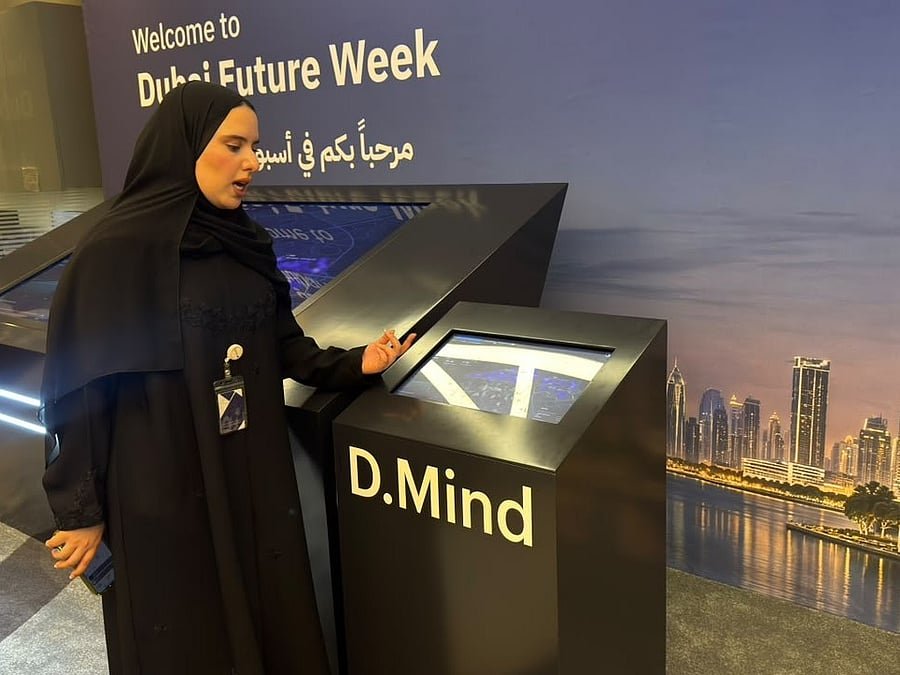
Dubai’s government now runs more than 90 artificial intelligence applications across 20 government entities, and the city says the experiment phase is over. The figure comes from the second edition of the Dubai State of AI Report 2026, launched by Digital Dubai with the Dubai Future Foundation during the AI Retreat at Dubai Future Week 2026.
The report, themed Scaling with Trust, is an annual, citywide assessment of how Dubai is turning itself into an AI enabled city. It tracks how government entities adopt AI, what value it delivers, and where the city should focus next. Dubai Future Week runs from 18 to 21 November at Emirates Towers and the Museum of the Future.
From pilots to production
The headline finding is a shift in kind, not just in number. Dubai has moved from AI pilots and limited scale initiatives to making AI an integral part of government work, service development and everyday life in the city. More than 90 applications are now at work, not in a lab, but inside departments that serve residents and visitors.
That matters because a pilot is easy to announce and easy to abandon. A production system has to work every day, for real people, with real consequences when it fails. Ninety applications in production is a claim about reliability, not just ambition, and it is a claim the city will now have to live up to.
Five tensions every government faces
The report examines five tensions that governments face as they scale AI, and it is honest about the trade offs. Wider adoption has to be balanced with governance, trust and responsibility, and human judgment has to stay part of every decision that matters.
The report’s method reflects that caution. It combines an assessment of the government’s own experience with input from the private sector and academia on the approaches to scaling AI. That mix is deliberate: a report written only by government would praise government, and a report written only by vendors would sell software.
Public value before novelty
The report also introduces Dubai’s Emerging Doctrine for an AI Enabled City, which places public value ahead of technological novelty. The idea is simple to state and hard to follow: the success of the transformation depends on the value technology delivers for people and society, rather than on its novelty or the scale of its adoption.
Hamad Obaid Al Mansoori, director general of Digital Dubai, put it in terms of leadership. He said the leadership of cities in the age of AI will not be measured by the technologies they possess or the number of applications they develop, but by their ability to turn this potential into genuine and sustainable value for people and society. Governance, trust, transparency and human oversight, he said, have become essential pillars in shaping the future of AI.
A yardstick for next year
The report goes beyond documenting achievements. It serves as an annual framework for measuring progress, identifying areas of strength and opportunities for improvement, and guiding efforts, investments and decisions related to the future of AI in Dubai.
The findings and method in this second edition are expected to form the basis for measuring impact in the 2027 edition, guided by the directions and principles set out in the Emerging Doctrine. That gives the 2026 report a job to do: it is the baseline against which next year’s claims will be judged.
The week that framed the report
The launch came in a busy week for Dubai’s AI plans. Sheikh Hamdan approved Dubai’s City AI Agent at Dubai Future Week on 18 November, a plan to weave AI more deeply into government operations and services, although the city has not yet said which public services it will cover first.
Khalfan Belhoul, chief executive of the Dubai Future Foundation, said AI is one of the most significant forces shaping the future of cities, governments and economies. The real opportunity, he said, lies in anticipating change, preparing for what lies ahead, and translating technological capabilities into practical applications that deliver tangible value to people and society.
What 90 AI apps mean for people living in Dubai
Ninety applications is an impressive number, but it is also the wrong number to celebrate on its own. What residents will notice is not how many systems exist, but whether renewing a licence, reporting a problem or getting an answer from a government department gets faster and simpler.
If the apps do that, the count hardly matters. If they do not, the count is just a press release with better arithmetic.
The report’s own doctrine points in the right direction, because it insists on public value ahead of novelty. The 2027 edition will be the real test: it will have to show, with evidence, what changed for the people who use these services. Dubai has set itself a measurement it cannot easily dodge, and that may be the most useful thing in the whole report.
For startups and AI companies watching from the sidelines, the message is also clear. Dubai’s government is now a buyer of working AI, not just a host of AI conferences.
The companies that will win that business are the ones that can prove, in production, that their tools save time or money for a real department. A demo will no longer be enough.