Got a complaint about a blocked drain, or a neighbourhood that needs more parks? Dubai Municipality now has an artificial intelligence platform that reads it, studies it and suggests what to do about it straight away.
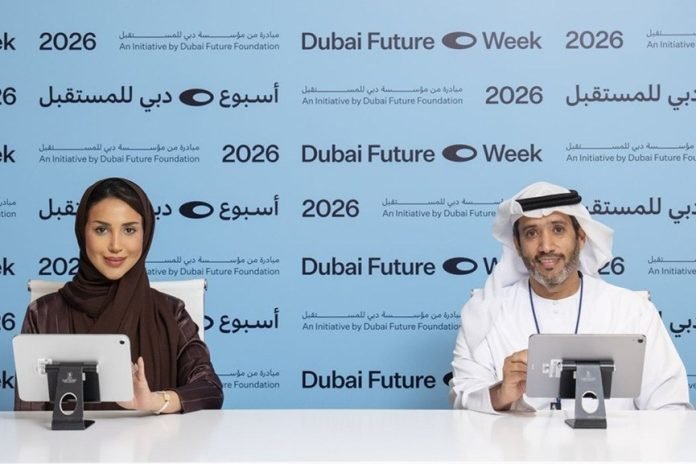
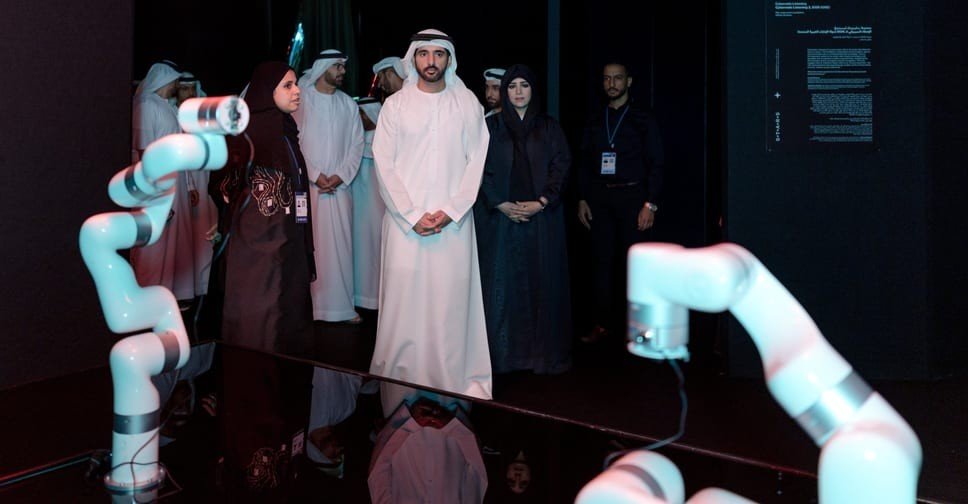
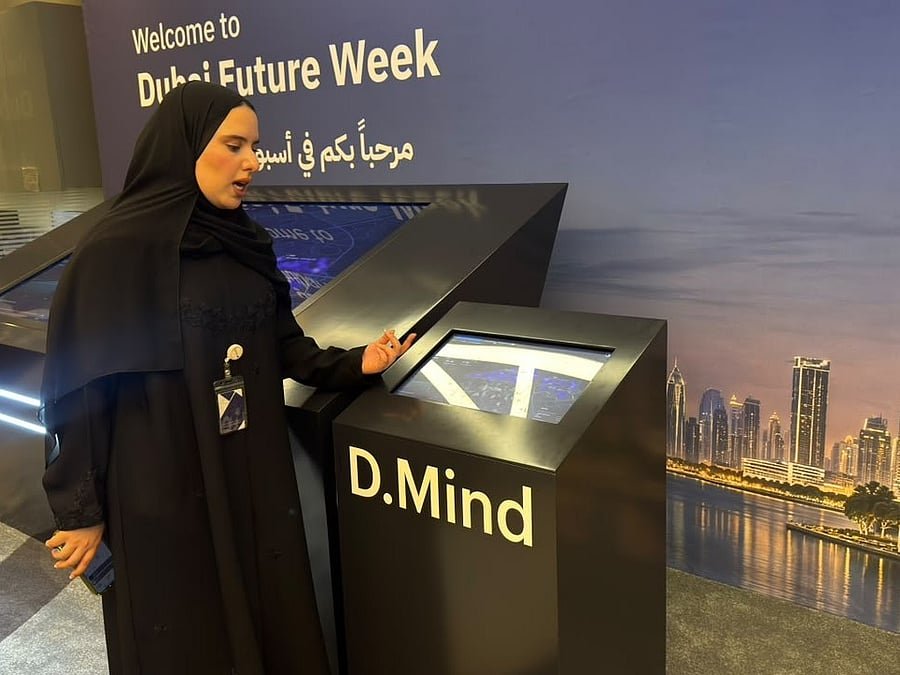
The platform is called D.Mind, short for Dubai Municipality Mind. It was unveiled on Wednesday, the opening day of Dubai Future Week 2026, at Emirates Towers, and it is already being put to work.
D.Mind is linked to the municipality’s services and pulls together complaints from across its departments. Reports that arrive through the call centre, the mobile app and social media, including the municipality’s Instagram and X accounts, all land in one place.
How D.Mind turns complaints into action
The platform runs around the clock, watching what comes in and working out how many complaints have arrived, at what time of day, and where they are coming from. It then suggests solutions that the team can act on immediately.
Maryam Al Kaabi, a GIS analyst in the municipality’s GIS department, explained that the platform detects complaints from customers and social media, analyses the problem and gives immediate solutions that will work.
The system does more than flag problems. It passes its suggested fixes to the department concerned so teams can act straight away, while longer-term solutions aim to stop the same problems coming back.
Drainage during rain and parks that never caught up
D.Mind has already been used on drainage issues during rain, when systems can become clogged. In one example, the platform suggested quick management solutions that the team could apply on the spot.
In another example shown during the demonstration, residents complained about a lack of parks and recreational facilities in JVC, Arjan and Motor City. The platform’s analysis found that these areas grew 59 per cent in five years, but their parks, public courts and recreational facilities were planned for 165,000 residents, not the 236,000 living there today.
That is the kind of insight a complaint system rarely produces. Instead of treating each message as a one-off gripe, D.Mind connects them into a picture of a neighbourhood that has outgrown its public spaces.
The teams behind the platform
Several teams inside Dubai Municipality worked on D.Mind, including digital transformation, GIS and customer happiness. Data from these departments is brought together to run the platform.
The launch took place during Dubai Future Week 2026, which runs from 18 to 21 November at Emirates Towers and the Museum of the Future. Organised by the Dubai Future Foundation, the event brings together more than 10,000 participants, including experts, decision makers and policymakers.
The week’s theme is For the Future Human, and D.Mind fits it neatly: a government service that tries to understand what residents need before they have to shout about it twice.
What D.Mind means for Dubai residents
For residents, the promise is simple. A complaint should no longer disappear into a call centre queue. It should be read, understood and sent to the right team with a suggested fix attached, and if the same problem keeps coming back, someone should ask why.
The parks example shows why that matters. Nobody in JVC or Motor City complained about a single broken swing. They complained about a neighbourhood that had grown faster than its public spaces, and it took a system that reads thousands of complaints at once to join those dots.
The test will be whether D.Mind changes what happens after the complaint, not just how fast it is read. A platform can spot that 236,000 people share parks built for 165,000, but only a budget and a building programme can close that gap.
If the municipality publishes what D.Mind finds and what it fixes, residents will be able to judge it for themselves. That openness would turn a clever tool into a trusted one, and other cities would have good reason to copy it.