Sharjah’s research park and Nokia have launched a new programme to close one of the hardest gaps in technology: turning a good idea in a lab into a product that a real customer will pay for.
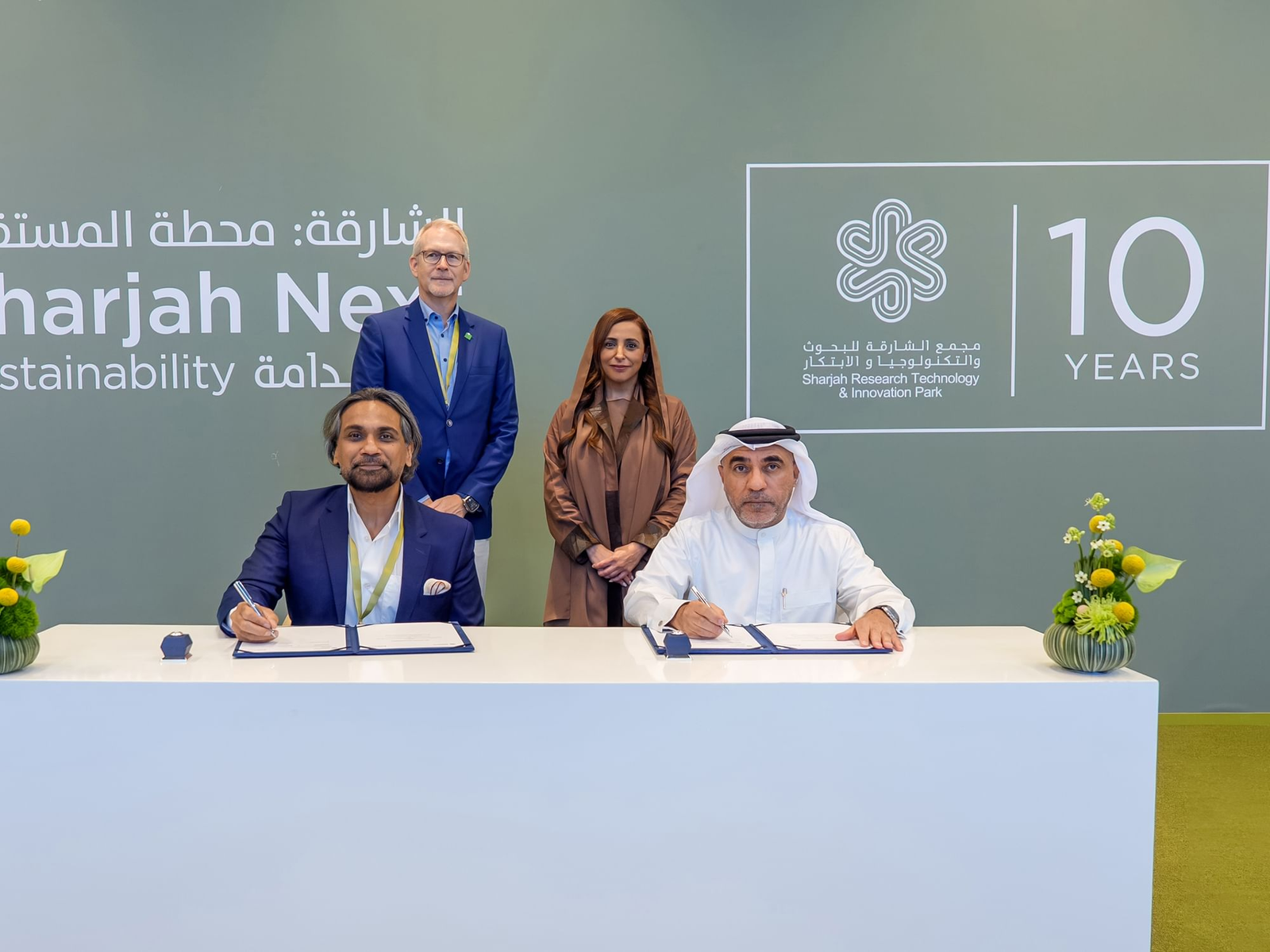
The SPARK-Nokia Tech Matchmaker Programme was signed into being on 19 November during Sharjah Next: Sustainability 2026, in the presence of Sheikha Bodour bint Sultan Al Qasimi, chairperson of the board of directors of the Sharjah Research, Technology and Innovation Park, known as SPARK. It pairs Nokia’s global technology expertise with the park’s network of research institutions, startups, industrial partners and government contacts.
Four stages from lab test to paying customer
The programme runs in four stages. It starts with a technical assessment of a company’s products and services, then moves to building a robust business case, identifying potential customers, and finally putting the company directly in front of prospective buyers. Each stage is meant to weed out ideas that cannot survive contact with a real buyer.
Companies that take part will also get technical evaluation, performance benchmarking, pricing analysis and an assessment of their market potential, all aimed at making them ready for the market. Testing and validation can happen at Nokia’s innovation laboratories or at SPARK’s research facilities, including SoiLAB, giving small companies access to equipment they could not afford on their own.
What Nokia brings, and what SPARK brings
Nokia will lead the technical assessments and support the business-case work. SPARK will handle introductions to government entities, regulators, industry stakeholders and prospective customers, drawing on its ecosystem of research institutions, startups and industrial partners.
SPARK will also help companies that want to set up in Sharjah, offering business setup services, office space and potential manufacturing facilities. That matters because a startup that wins a first customer still needs somewhere to build, hire and ship from, and Sharjah wants that somewhere to be Sharjah.
A March handshake becomes a November programme
This is not the first time the two sides have shaken hands. In March this year, SPARK and Nokia signed a memorandum of understanding at the park’s annual Ramadan Majlis, also in the presence of Sheikha Bodour, to work together on knowledge exchange, training and capacity building. That agreement already named the Tech Matchmaker concept as something to develop.
The November agreement turns that concept into a working programme, with named stages, named facilities and a named division of labour. For founders, that is the difference between a press release and a door they can actually walk through.
What Tech Matchmaker means for Sharjah’s startups
Sharjah has spent years building the research side of its innovation story, with the park, the university and a growing cluster of labs. The missing piece has been the commercial side: the introductions, the pricing advice and the buyer meetings that turn a prototype into revenue.
Tech Matchmaker is aimed squarely at that gap, and its four-stage structure is its best feature. It does not promise funding or a demo day.
It promises a sequence: prove the technology, prove the business case, find the customer, meet the customer. That is unglamorous work, but it is the work that decides whether a startup survives.
The honest test will be the first cohort. If the programme can point, a year from now, to companies that signed real contracts after going through its stages, Sharjah will have built something other emirates will want to copy.
If it only produces meetings, it will have been another memorandum with better branding. Founders should apply, but they should also ask, at every stage, who exactly they are being introduced to, and when.