Dubai has approved a City AI Agent that will let artificial intelligence handle residents’ requests across government departments, through one single experience.
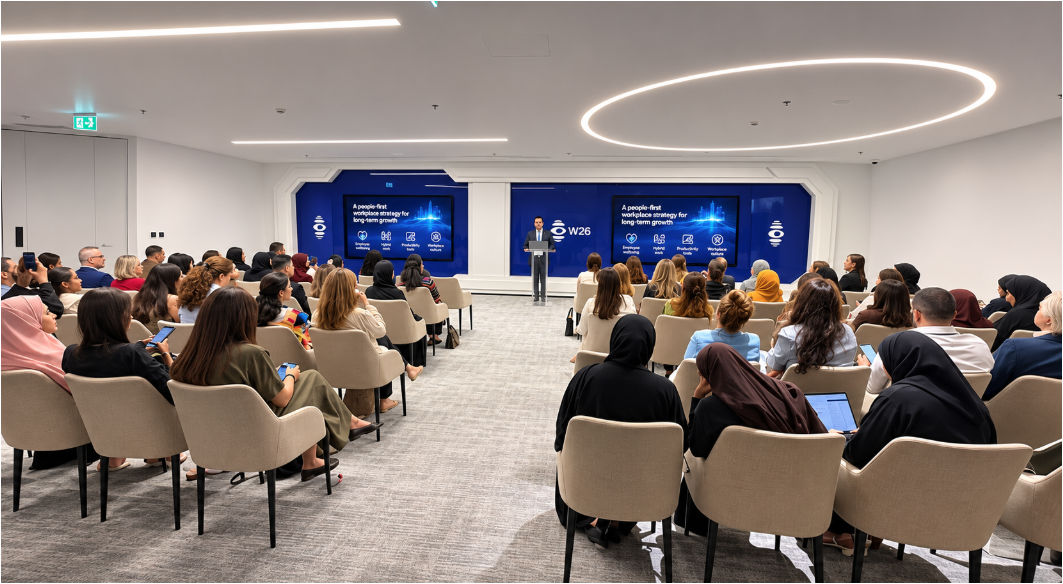
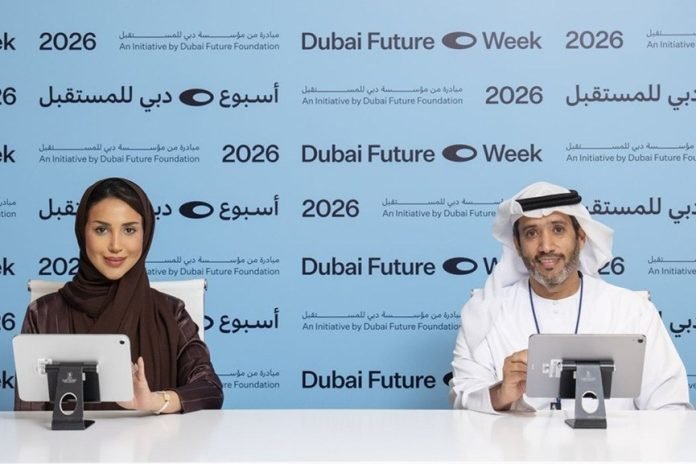
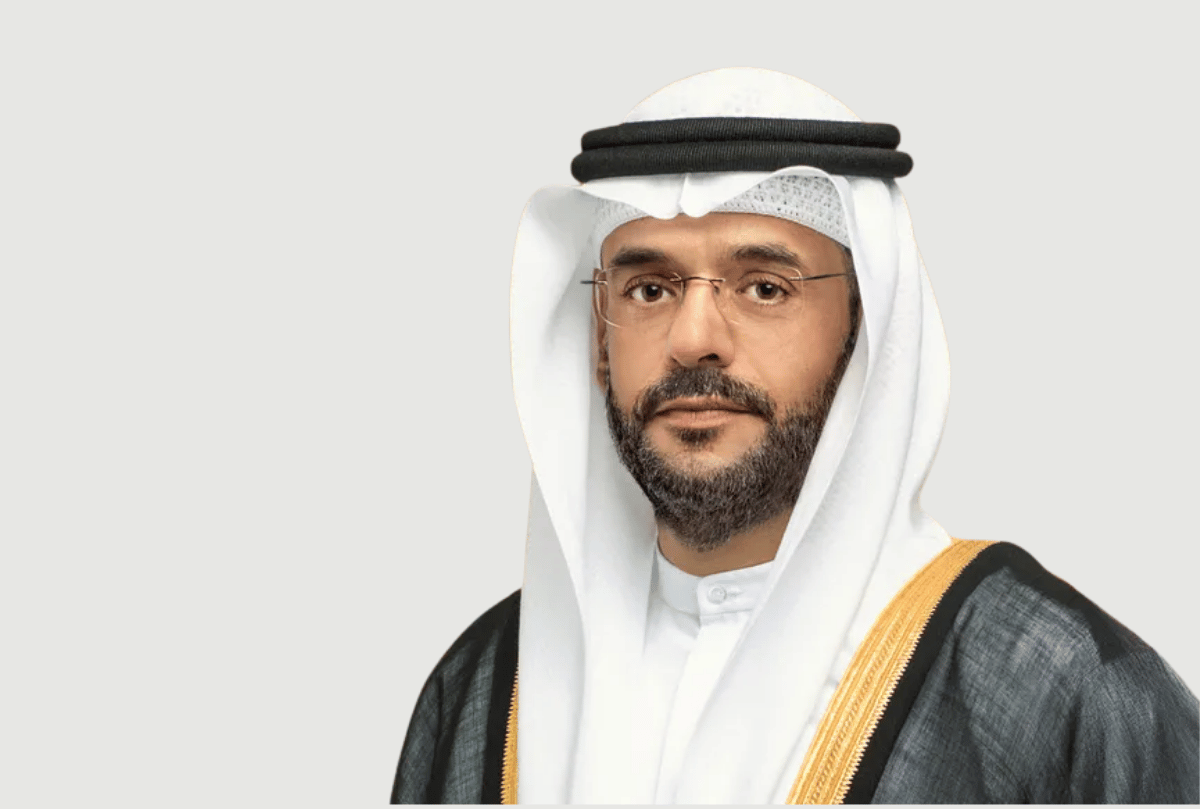
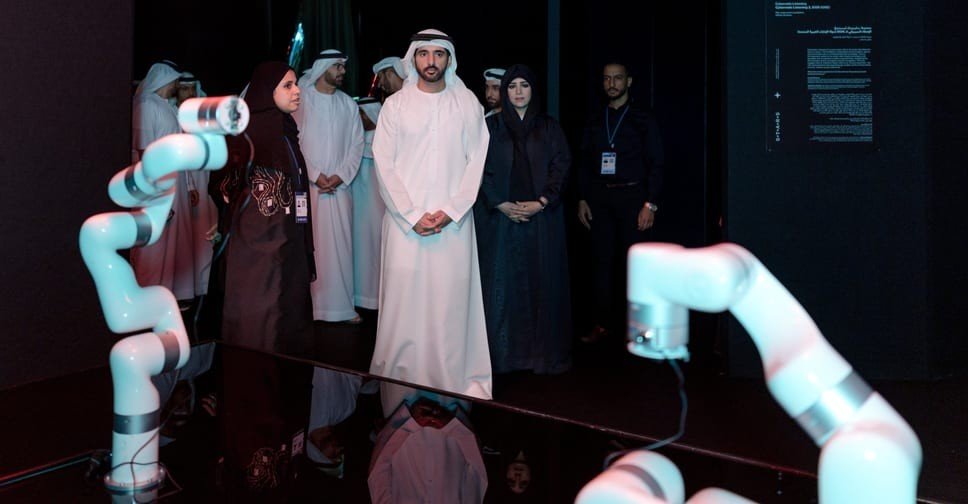
Sheikh Hamdan bin Mohammed bin Rashid Al Maktoum, Crown Prince of Dubai, approved the initiative on 18 November during an AI Retreat held on the opening day of Dubai Future Week 2026. The event runs until 21 November at Emirates Towers and the Museum of the Future, under the theme For the Human of the Future.
One agent to coordinate every department
The City AI Agent is designed to understand what people need, carry out tasks for them and coordinate procedures across government entities, instead of asking residents to deal with each department separately. The aim is a new model of government in which AI systems can anticipate needs and coordinate services, rather than simply speeding up existing procedures.
Sheikh Hamdan said the approval marks a shift from a government that harnesses AI to enhance its services to one that fundamentally redesigns the way it operates around AI capabilities. The difference matters: the first approach makes old processes faster, while the second rebuilds them around what AI can do.
No date has been announced for when residents will be able to use the City AI Agent, and the announcement did not say which services it will cover first or what it will cost to build. That detail is the next thing to watch.
Ninety-three AI agents already at work inside government
At the same retreat, Sheikh Hamdan also launched the Government Resources AI Agents ecosystem and NxtBI, an AI powered decision making platform, and reviewed Dubai Nexus. The three systems are meant to lay the foundations for the next phase of government operations and support the City AI Agent.
The resources ecosystem comprises 93 specialised AI agents covering human resources, finance and procurement inside the government’s shared resource planning system. They work across 85 government entities, and the government expects them to handle more than 34 million tasks a year.
The same projections put the savings at more than 812,000 working hours and more than AED 151 million in costs. Those are the government’s own forecasts, not measured results, so the real test will be what the numbers look like a year from now.
Dubai Future Week puts AI talent on stage
The approval came at Dubai Future Week 2026, organised by the Dubai Future Foundation, which brings together more than 10,000 experts, inventors, innovators and future makers from the UAE and around the world. Hamad Obaid Al Mansoori, Director General of Digital Dubai, described a model in which AI becomes part of government infrastructure, letting needs be addressed proactively and responses coordinated across systems.
Sheikh Hamdan also attended the AI Grandmaster challenge during the week, where 20 contestants are competing for an AED 1 million prize through live, timed tasks that involve building solutions with advanced AI tools. The 2025 edition drew more than 3,800 applications from 125 countries.
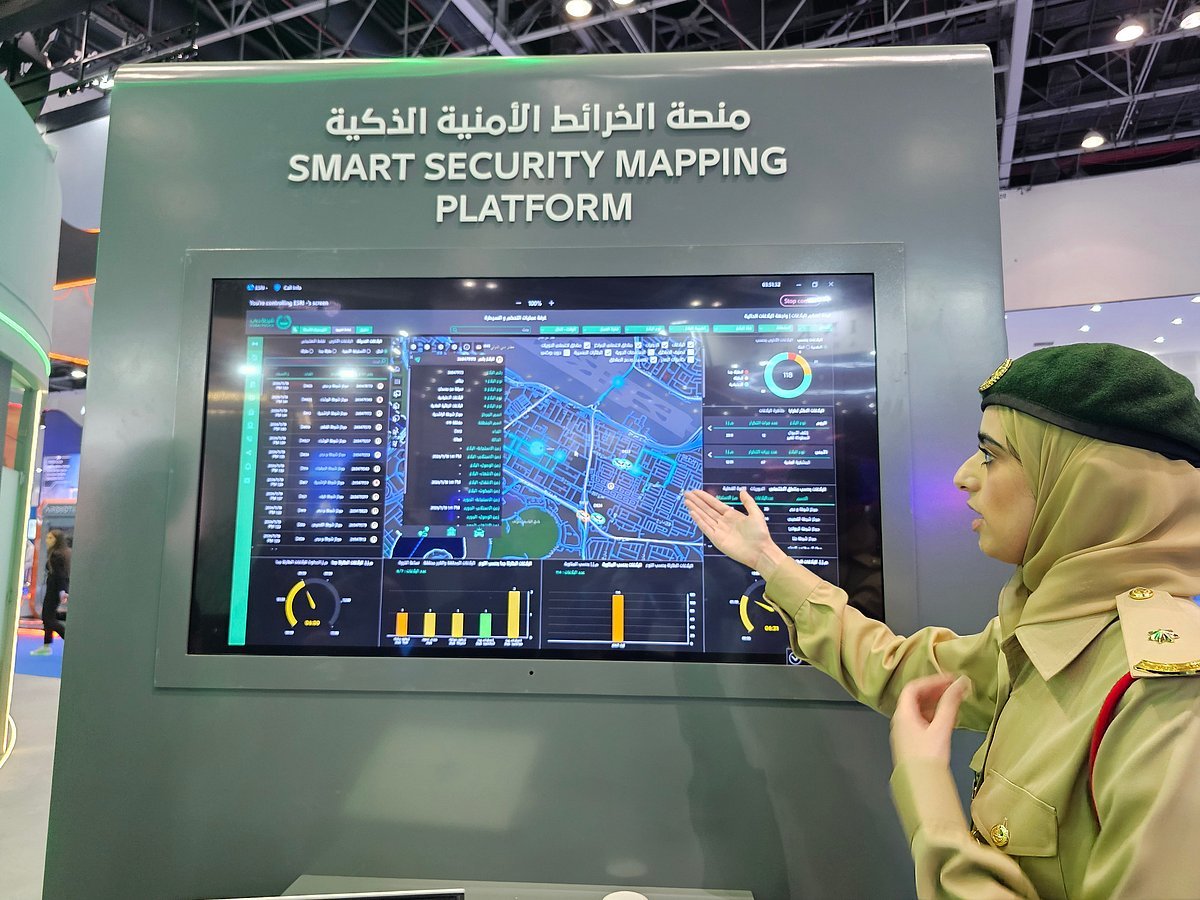
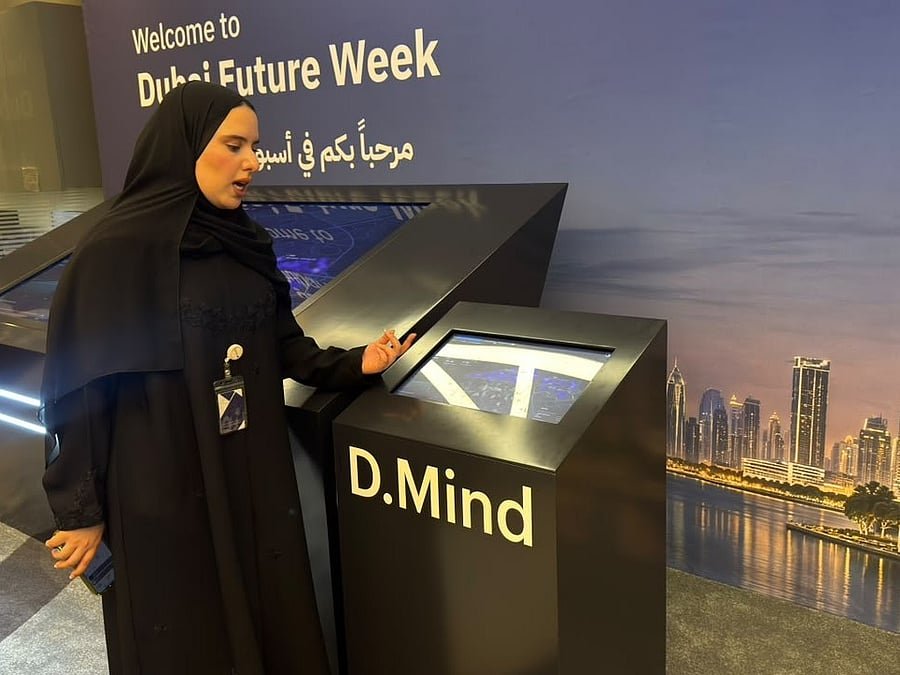
The week is as much a showcase as a conference. Startups are pitching investors through The Pitch platform, with the strongest advancing to a Shark Tank Dubai finale, while demo stages across Emirates Towers and the Museum of the Future show applied AI in action.
What the City AI Agent means for Dubai residents
If this works as described, the change residents will notice is not the technology, it is the absence of friction. Renewing a licence, sorting a permit or chasing a service across two departments should feel like one conversation, not a tour of government offices. That is a high bar, and Dubai has set it for itself in public.
The honest caveat is that an approval is not a launch. The City AI Agent has no public timeline, no list of first services and no price tag yet. The 93 internal agents are real and already running, but they handle back office work like HR and procurement, which is a much easier problem than understanding a resident’s messy, real world request.
The numbers to hold the government to are the ones it published itself: 34 million tasks, 812,000 hours and AED 151 million. If those savings appear in next year’s reporting, the City AI Agent will have earned its billing as a redesign of government. If they do not, it will have been an expensive rebrand of automation.
Residents should also ask who watches the agent. A system that coordinates services across departments will hold a detailed picture of people’s lives, and trust will depend on clear rules about what it can see, what it can share and how a resident can correct it when it gets something wrong. Dubai has a chance to set that standard now, while the system is still being built, rather than after it is already running.