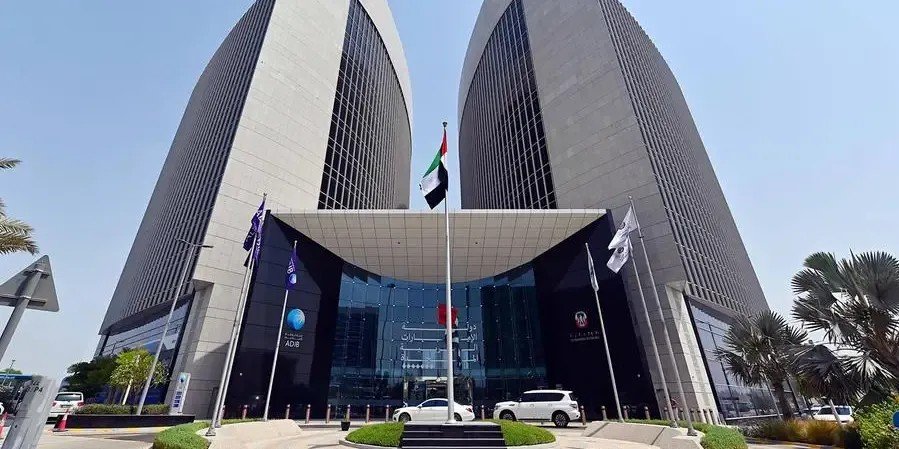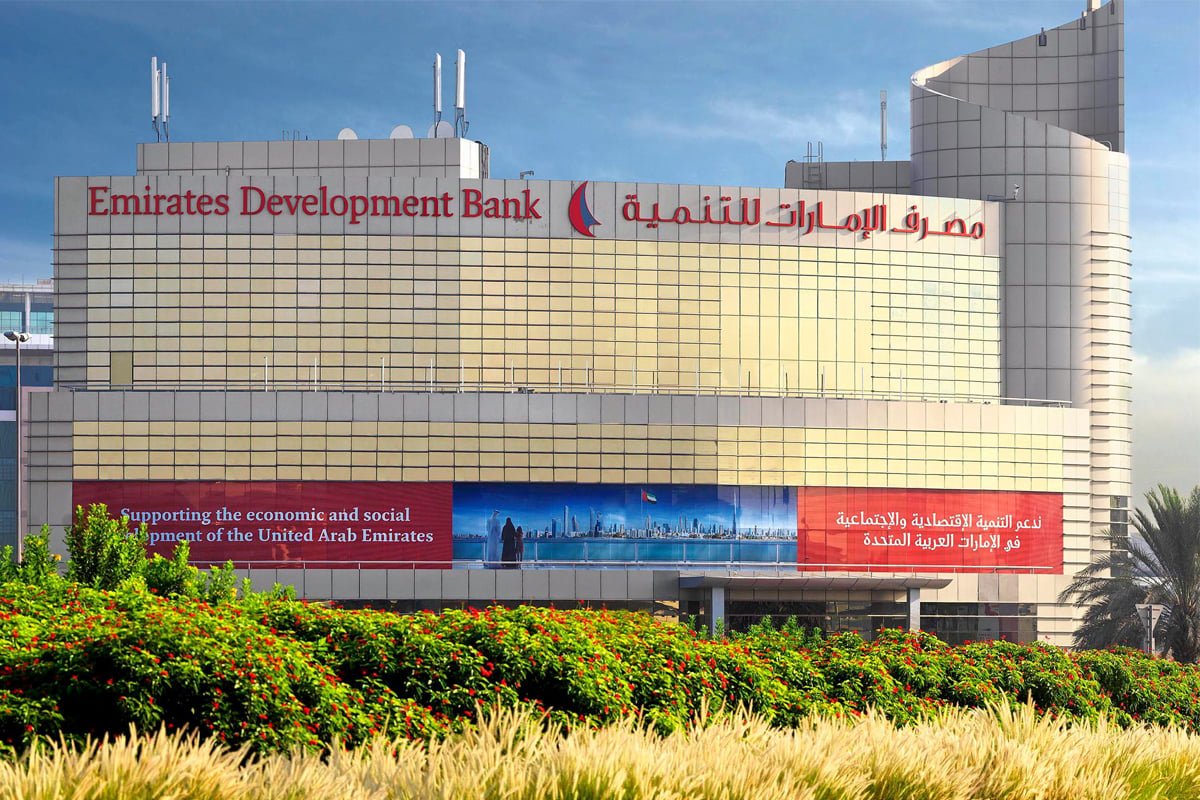
Five UAE-based industrial startups have pitched their businesses directly to investors at the Make it in the Emirates Accelerator Demo Day, held on 16 November. The event, run by Emirates Development Bank, marked the end of the accelerator’s first cohort.
The five startups are SpacePoint, CocoBites, Suhoola, AHOY Concepts and From Noora’s Majlis. Together, their work spans satellite technology, water-saving solutions, modular products and local food production.
The accelerator is organised with the Ministry of Industry and Advanced Technology, and Brinc is the programme’s delivery partner. The Demo Day gave the startups a room full of investors, manufacturers and industry partners, and a chance to turn months of mentoring into real deals.
The five startups that pitched
SpacePoint works in satellite technology, and its founder Abdullah Alsalmani presented on stage. CocoBites was presented by its founder Youssef Hawash, and Suhoola by its founder Omar Mokhtar.
AHOY Concepts, co-founded by Nithin Thombil, builds camping trailers and modular spaces. From Noora’s Majlis was founded by Noora Alawadi, who thanked the bank for its support since she started the business.
The five were picked from a first cohort of 11 startups across five sectors. The accelerator gave them mentorship, business guidance and access to industry expertise, along with introductions to government bodies and potential business partners.
Investors in the room and deals already taking shape
The startups presented their products and growth plans to investors including The Catalyst, Ceras Ventures and Aveon, Auctora Partners AG, Magna Investment, Oraseya Capital and BE Venture Partners.
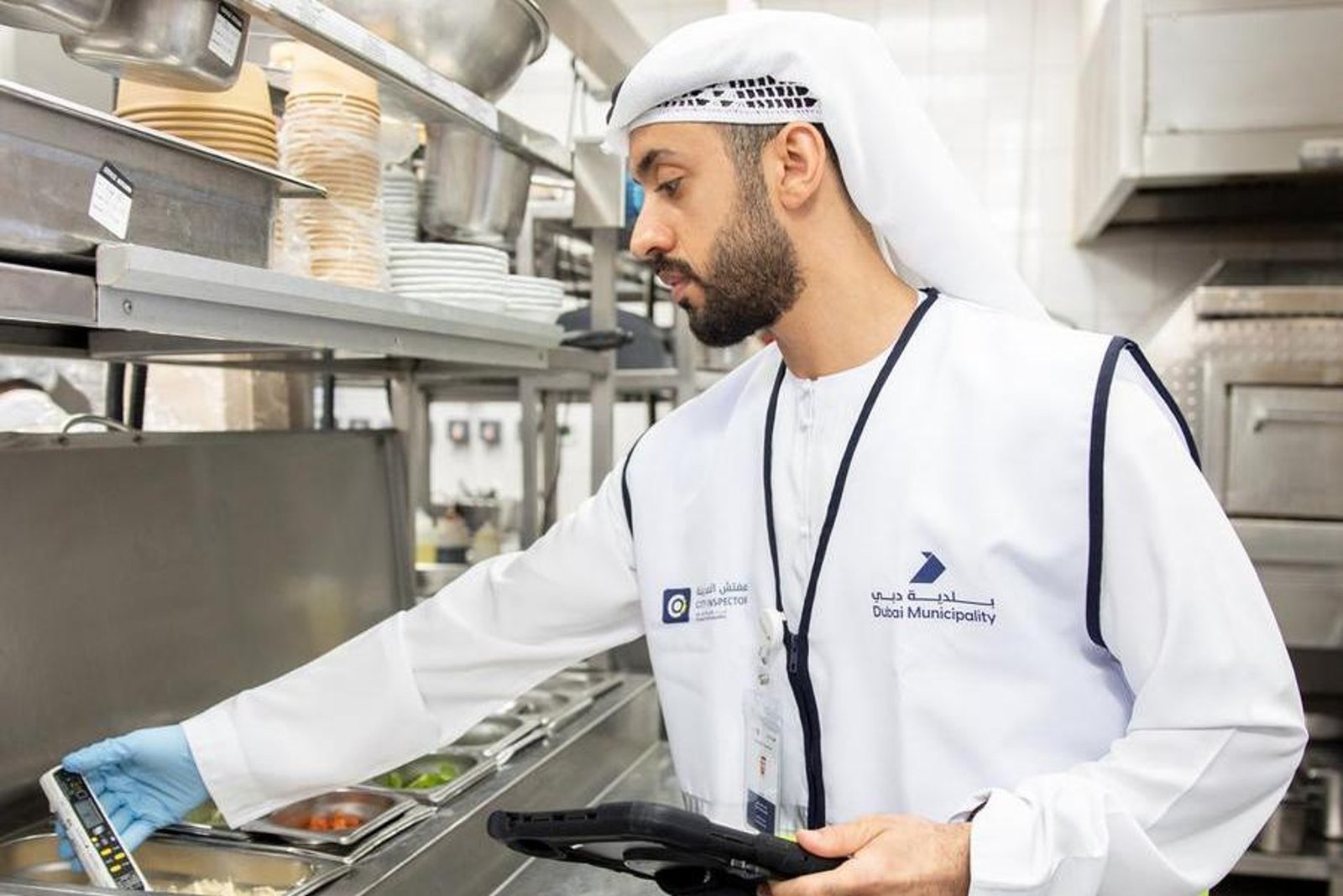
Some of the startups already have deals to show for the programme. AHOY Concepts has been working with Dubai Municipality on the technical and regulatory requirements for its products, and the two sides agreed to align specifications for camping trailers and explore modular office and gym pods under Dubai’s Work from Park initiatives.
In another early win, talks with Dubai CommerCity and eBay led to an agreement giving three participating startups free product listings on eBay for three months, opening a route to customers in more than 100 countries.
Why EDB backs manufacturers, not just tech startups
The accelerator was launched in May 2025, and it is the first programme of its kind in the UAE dedicated to industrial startups. It sits inside the wider Make it in the Emirates initiative, which supports the national Operation 300bn plan to grow industry’s share of the economy.
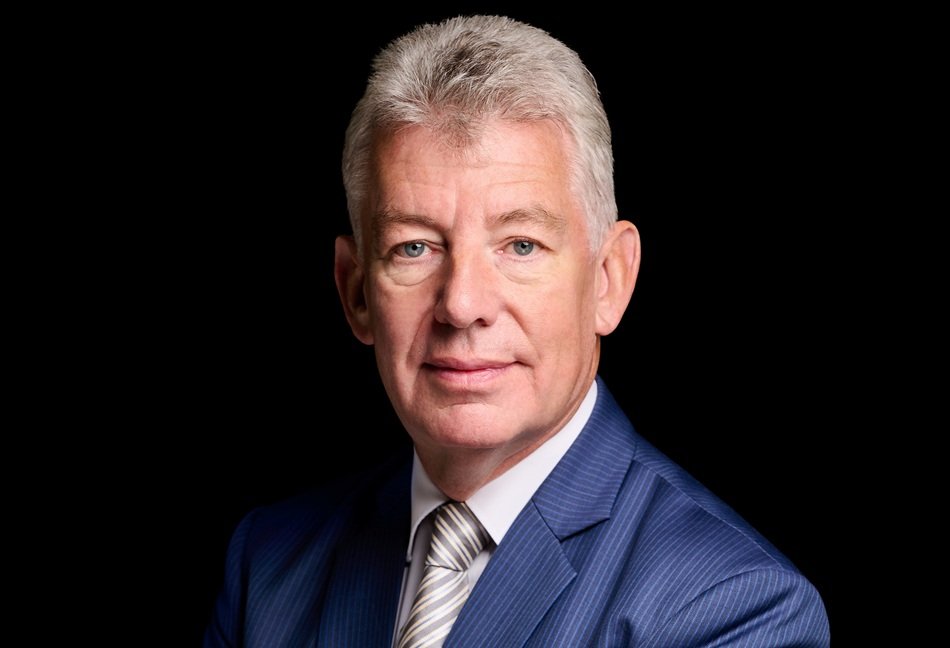
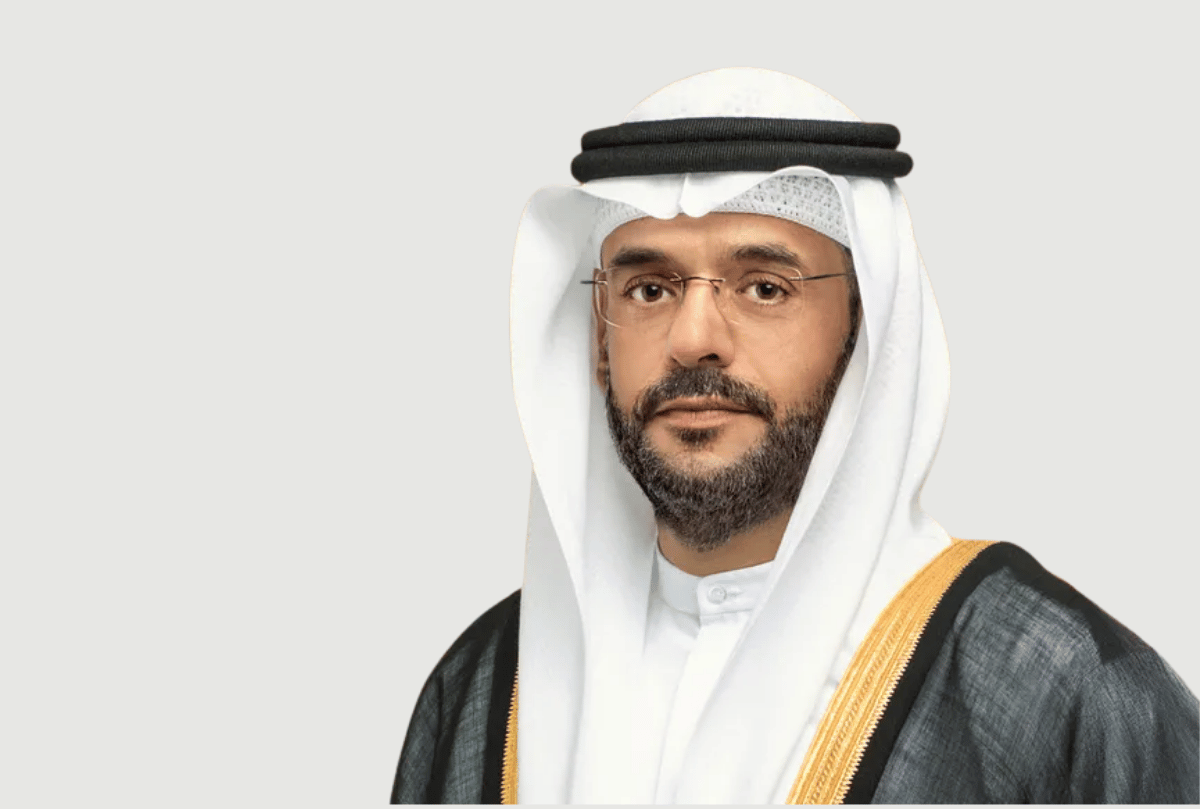
Ahmed Mohamed Al Naqbi, chief executive of Emirates Development Bank, said the UAE has promising entrepreneurs with ideas that can add to the country’s industrial growth. He said the bank’s role is to help them turn those ideas into commercially viable businesses by connecting them with the right expertise, partners and financing.
The bank has now approved more than AED 30 billion in cumulative financing since 2021, supporting over 50,000 industrial jobs and contributing more than AED 14 billion to the UAE’s industrial GDP. It says the financing has also helped attract more than AED 9 billion in foreign investment.
What EDB’s demo day means for UAE makers
For a small manufacturer in the UAE, the hard part is rarely the product. It is finding a customer, a factory slot and a first cheque, in that order. A demo day does not solve any of those, but it puts all three in the same room, which is more than most founders get.
The interesting detail in this Demo Day is not the pitching. It is the two small deals that came out of the programme before anyone pitched: a municipality working through trailer specifications with a startup, and free listings on a global marketplace. Those are the unglamorous wins that decide whether a maker survives its first year.
The test now is what happens in the next six months. If one of these five signs a manufacturing contract or a first investment from the room, the accelerator will have done its job. If not, it will join the long list of demo days that ended with applause and little else.
For now, the five have something most early manufacturers lack: a bank, a ministry and a room of investors who have actually seen the product. That is a decent place to start.