
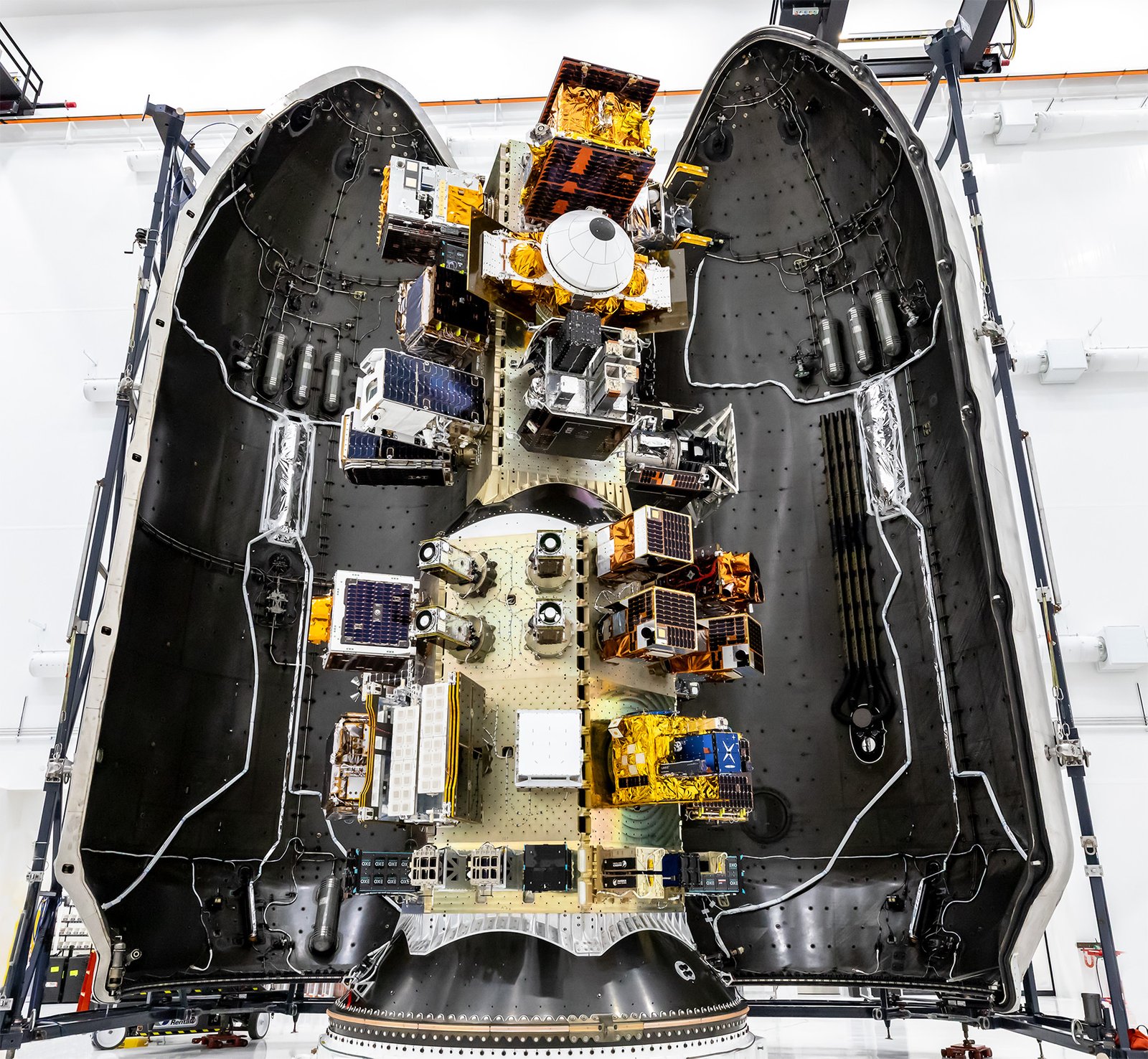
Abu Dhabi-built Altair-1 has reached its planned orbit and acquired a signal, marking a major step for the commercial space company Orbitworks. In an announcement published on 2 October, the company said the satellite had deployed into its planned orbit after launching aboard SpaceX’s Transporter-18 rideshare mission and was now in commissioning. That is meaningful progress, but it is not the same as a fully commissioned satellite delivering a regular commercial data service.
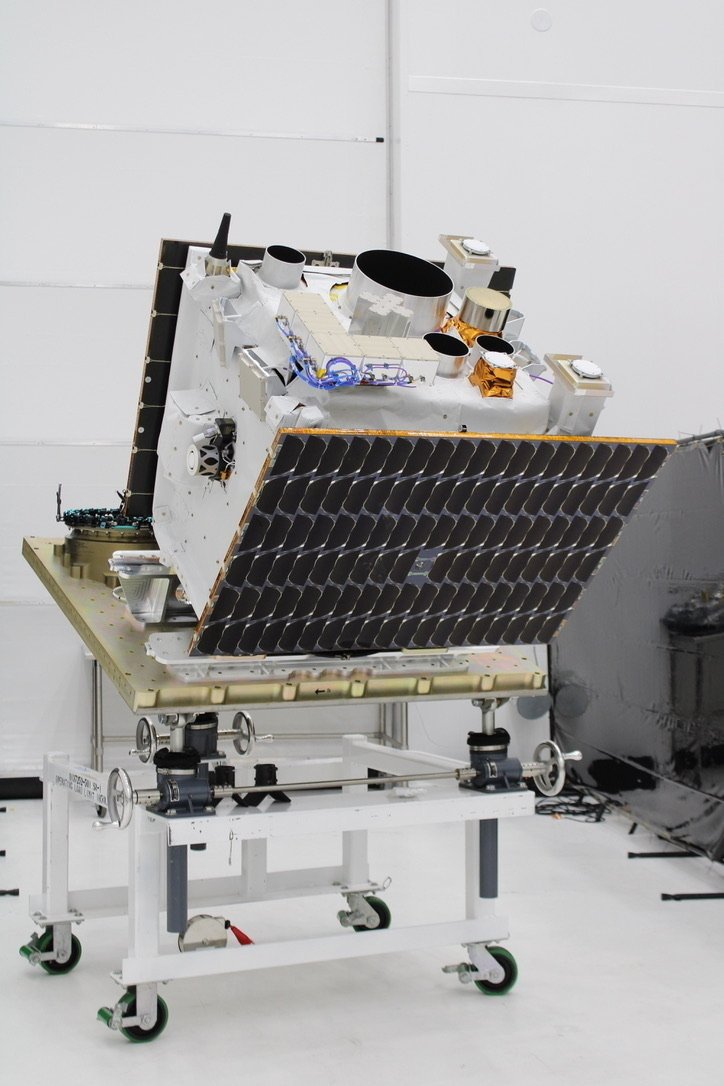
The spacecraft is the first of a planned 10-satellite AI-enabled Earth-observation network. Orbitworks says it was designed, assembled, integrated and tested at the company’s Abu Dhabi facility before heading to California for launch. The National and Gulf News also reported the deployment and signal acquisition, while Arabian Business described the spacecraft as the first commercial satellite built in the UAE.
Altair-1 is in orbit, but commissioning is the next milestone
There is a small but important difference in how the latest reports describe the spacecraft’s status. The National said Altair-1 had begun operations, while Orbitworks’ announcement and Gulf News describe it as still in commissioning. Until the company says that phase is complete, it is safest to describe the confirmed milestone as deployment and signal acquisition, not full service readiness.
Commissioning is the period in which operators check a spacecraft’s systems and prepare it for its intended work. Orbitworks says the satellite is nominal and in that process, and it plans to release high-resolution imagery and more material after commissioning is confirmed. No performance results, recurring service schedule or customer delivery timeline were included in the announcement.
For readers following commercial space, the next signs of progress are straightforward: confirmation that checks are complete, examples of customer-ready data, and details on how users can access it. One satellite in orbit proves an engineering milestone; it does not by itself establish long-term reliability, customer demand or revenue.
Sensors and onboard processing are meant to shorten the path from image to insight
Each Altair satellite carries five integrated sensors: optical, shortwave infrared, thermal, hyperspectral and radio frequency. Orbitworks says NVIDIA GPUs on board can process the incoming data into analysis-ready intelligence within minutes, rather than waiting for the hours that ground-based processing can take.
That approach is often described as edge processing: some analysis happens on the spacecraft before data is sent to Earth. Orbitworks says the intended uses include disaster response, maritime awareness, environmental monitoring, food security and infrastructure surveillance. These are target applications described by the company, not confirmed outcomes from Altair-1’s commissioning phase.
At full strength in 2027, Orbitworks says the 10-satellite network is designed to revisit any point on Earth roughly every four hours. That cadence could be useful for changes that happen quickly, such as fires or activity at sea, but it is a goal for the full constellation. One satellite alone cannot deliver the planned network’s coverage, and the nine remaining spacecraft have yet to be launched.
Abu Dhabi’s manufacturing step now has to translate into a business
Orbitworks is a joint venture between Abu Dhabi-based Marlan Space and Loft Orbital, a San Francisco-headquartered space company. The company says Altair-1 was built at its 50,000-square-foot facility in Khalifa Economic Zones Abu Dhabi, or KEZAD. The National and Arabian Business also describe the Abu Dhabi manufacturing link.
Orbitworks says the facility could produce up to 50 satellites a year when operating at full scale, and that the other nine Altair satellites are planned through 2027. Those are company targets, not current production figures or delivery guarantees. The result to date is one satellite in orbit, with the rest of the planned network still ahead.
The company’s announcement describes two possible ways to buy the service: customers could own an Altair satellite and its data, or access the network’s intelligence as a service. It does not disclose commercial terms or identify a contract tied to Altair-1’s commissioning. The launch is therefore evidence of local manufacturing capability, not proof that a recurring data business is already operating.
Orbitworks CEO Dr Hamdullah Mohib framed the launch as a move from buying space capability to building it in the UAE. That is an ambition rather than a result proven by one spacecraft. Follow-up milestones will be commissioning, customer-ready data products and the timely deployment of the remaining satellites.