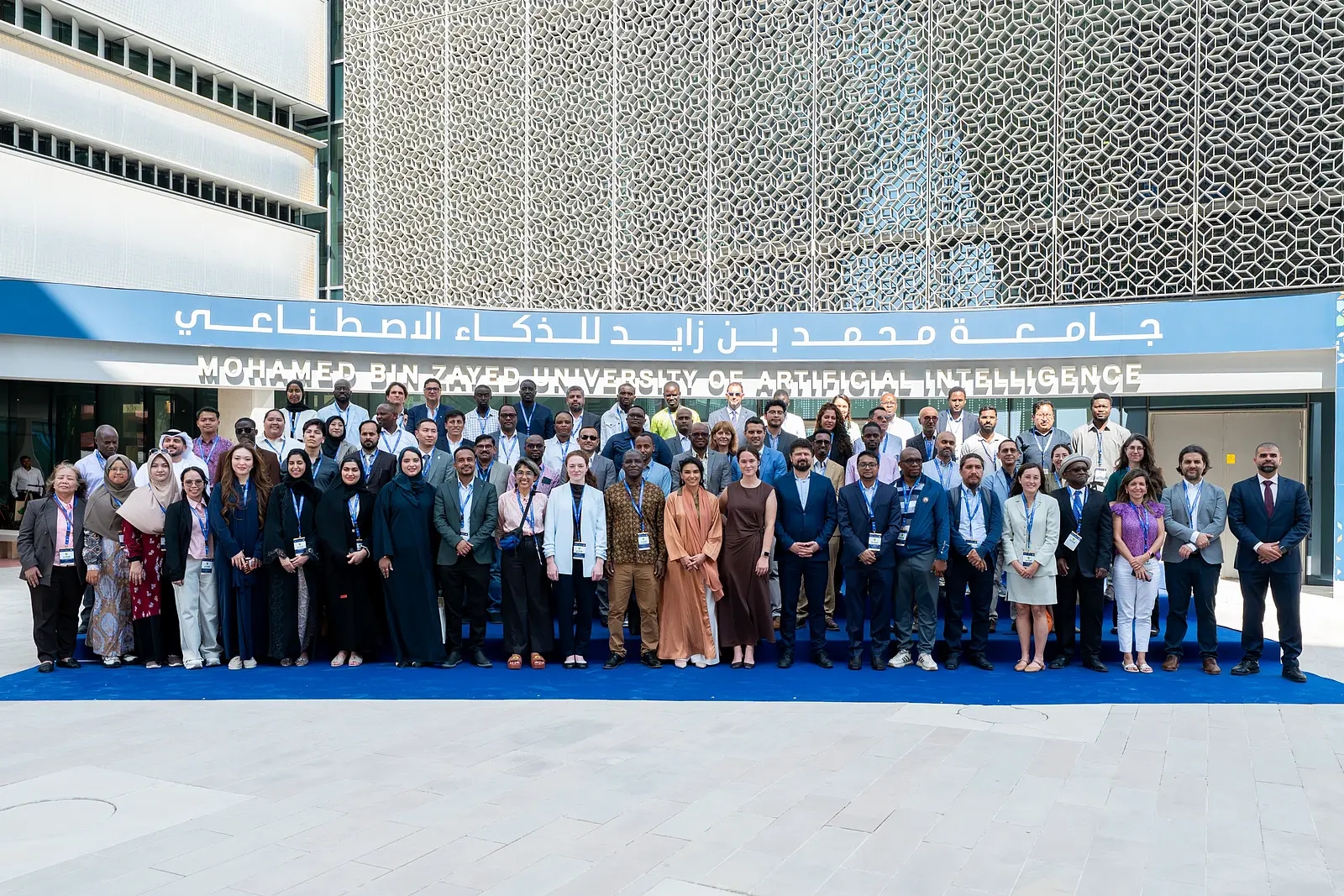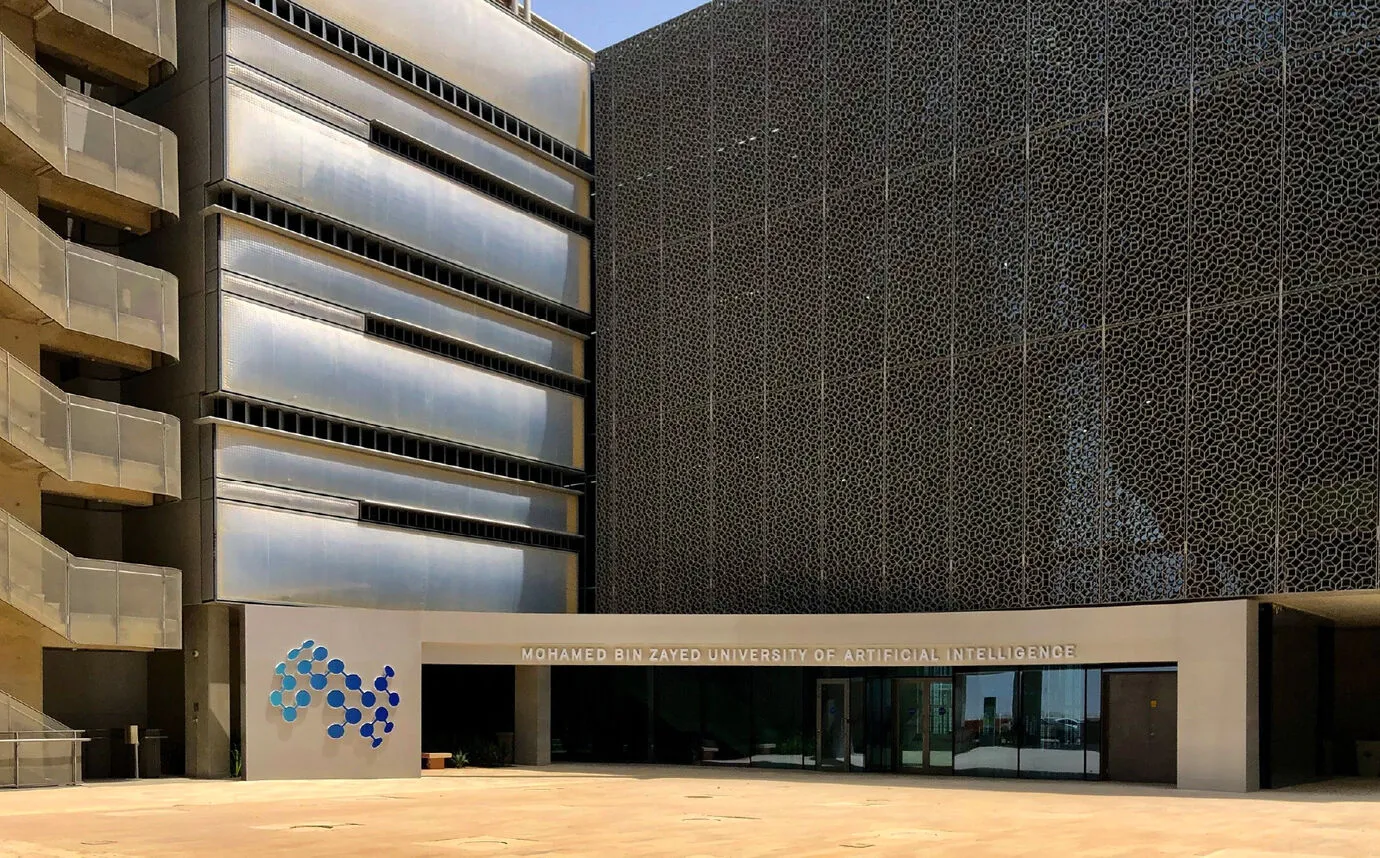
Researchers in Abu Dhabi are using artificial intelligence to spot the early signs of diabetes long before a standard blood test would raise the alarm. The work comes from the Mohamed Bin Zayed University of Artificial Intelligence, known as MBZUAI, and it was shared to mark World Diabetes Day on 14 November. The university is studying glucose patterns, genes, mouth bacteria and eye scans, looking for warning signs that routine screening can miss.
The idea is simple to state and hard to do. Diabetes often develops quietly, and by the time a blood sugar reading looks wrong, the body has been struggling for years.
If AI can read the early signals in data that doctors already collect, people could get help while prevention still works. That is the promise behind the research, and the UAE is an unusually good place to test it.
Two weeks of glucose data instead of one average
The best known piece of the work is GluFormer, an AI foundation model that reads daily glucose fluctuations instead of relying on a single average measurement like the HbA1c test. It was published in the journal Nature in January 2026, after training on more than 10 million continuous glucose measurements from 10,812 participants in the Human Phenotype Project. It needs just two weeks of data to spot patterns in how a person’s blood sugar rises and falls.
A version that also takes diet into account can simulate how one person’s glucose responds to foods, which could make dietary advice personal. In a 12-year follow-up, the model placed 65.8 per cent of the people who went on to develop diabetes in its highest risk group, and 69.2 per cent of those who died from cardiovascular causes. Those numbers come from a follow-up group, so they are a signal of promise rather than proof, but they show why researchers are excited.
Genes, gums and eye scans: three more clues
Glucose is only one thread. A five-year project running from 2025 to 2030 is building a genetic risk score for type 2 diabetes that fits the Emirati population, using the Emirati Genome Program’s store of 900,000 genomes and diabetes diagnoses recorded through Malaffi, Abu Dhabi’s health information exchange. Most existing risk scores were built on European genetic data, so they can misjudge risk in other populations.
Another team, led by Professor Imran Razzak, is studying the bacteria in the mouth, and has found microbial patterns linked to glucose levels, liver health and body fat. AI models using selected oral microbial traits picked out people with prediabetes more accurately than models using the full microbial profile. The same group is combining retinal images with heart trace data to look for early signs of heart failure, a common complication of diabetes.
The eye work has a name, oculomics, and it treats the retina as a window onto blood vessels and nerve tissue across the body. At a research showcase with Cleveland Clinic Abu Dhabi in October 2025, MBZUAI showed how eye scans could reveal early signs linked to diabetes, high blood pressure, Alzheimer’s disease and heart disease, possibly before symptoms appear. Professor Jianing Qiu leads work on how retinal images reflect markers of metabolic and vascular trouble.
A study built on the UAE’s diversity
Much of this research runs on the Human Phenotype Project, a long-term study based in Abu Dhabi that follows volunteers for up to 25 years. It is free and open to UAE citizens and residents aged 18 to 70, and it combines more than 40 layers of health data, from genes and blood tests to medical imaging, sleep tracking and continuous glucose monitoring. About 28,000 people have signed up, and more than 13,000 have completed full assessments.
The diversity of the UAE is part of the point. With more than 200 nationalities in the study, researchers can build health reference standards that account for age and ethnicity, instead of borrowing norms from other populations.
One early finding shows why that matters: 40 per cent of people whose fasting glucose looked normal went on to record readings in the prediabetes range during continuous monitoring. A single fasting test had called them healthy.
What AI diabetes screening could mean for everyday checkups
The most exciting part of this research is not the accuracy of one model. It is the shift from averages to personal patterns.
A fasting glucose test gives one number on one morning, and it can miss a problem for years. A model that reads two weeks of glucose, plus genes and an eye scan, could catch the same problem while diet and exercise can still change the outcome. That is a genuinely different kind of screening.
But the honest caveat matters too. The researchers themselves say clinical use is five to ten years away, pending validation in different populations.
A model that works on a study cohort can stumble in a busy clinic, and a risk score is only useful if a doctor and a patient know what to do with it. The UAE’s bet is that building the data first, through the Human Phenotype Project and the genome programme, gives its researchers a head start. If the validation holds, the checkup of the future might start with a photo of the eye and a swab of the mouth, and that would be a quiet revolution in preventive care.