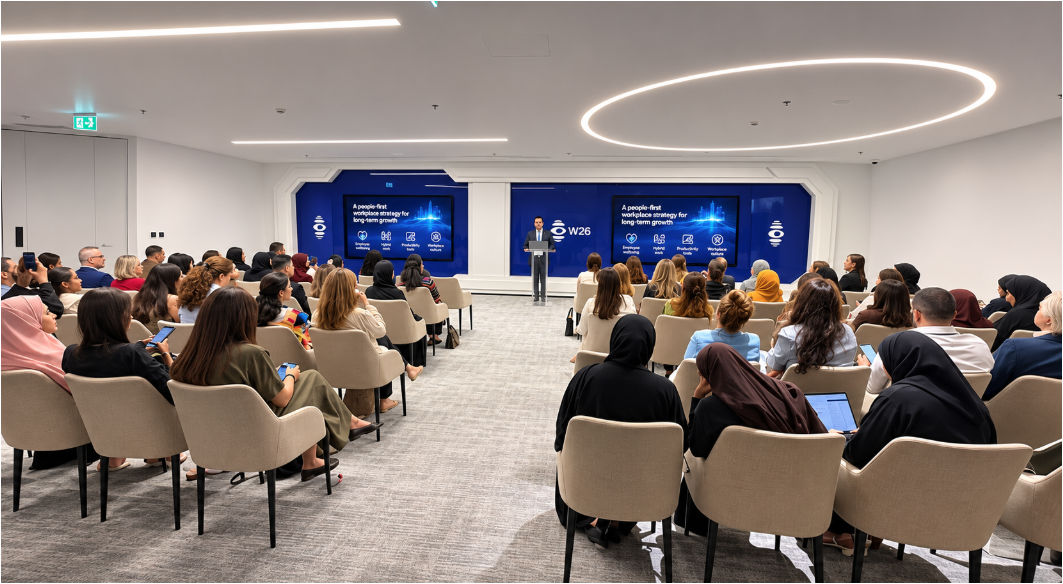
The UAE wants 100,000 Arab women to learn AI skills, and it has teamed up with the United Nations Development Programme and the Women in AI organisation to make it happen.
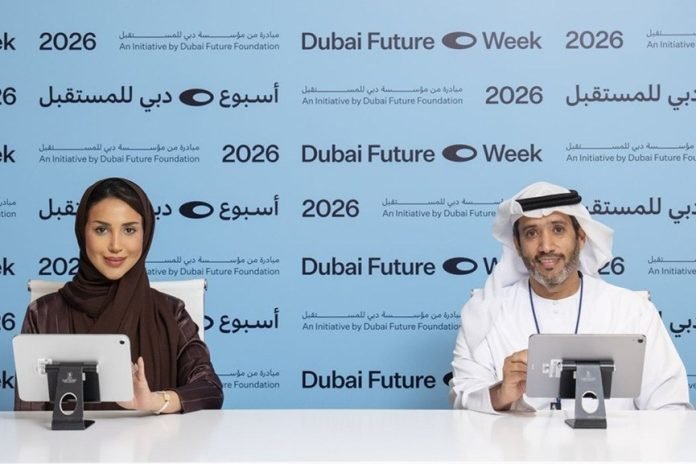
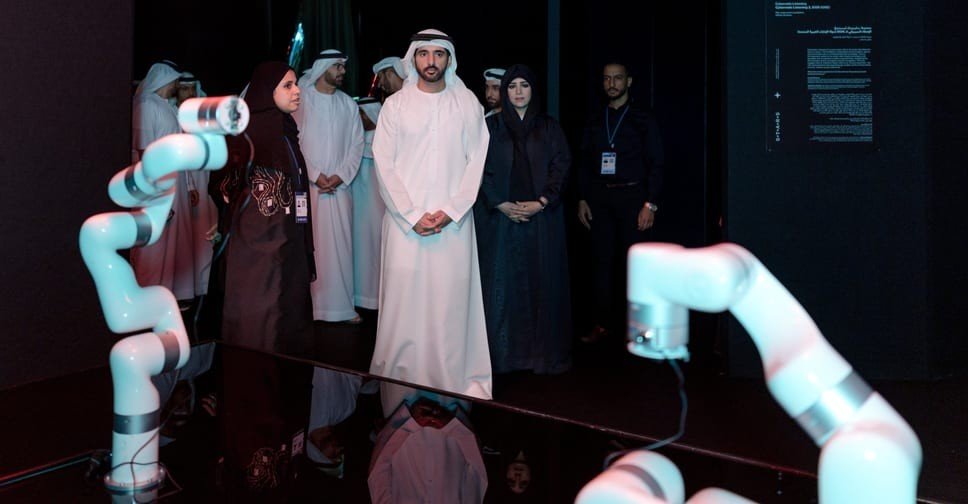
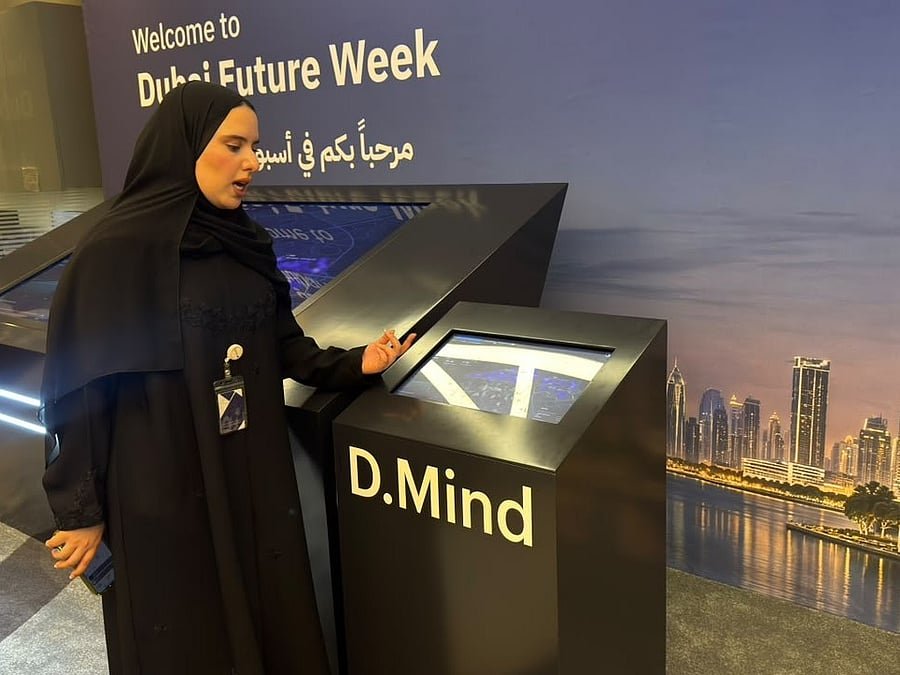
The initiative was announced at the Arab Women in AI Forum, hosted by the Dubai Future Foundation as part of Dubai Future Week 2026, which runs from 18 to 21 November at Emirates Towers and the Museum of the Future. It aims to give women across the Arab States the skills, networks and opportunities to take part in the AI economy, and to back women who want to build AI businesses of their own.
Three tracks, from AI skills to new businesses
The initiative is built around three connected tracks, meant to give women the skills, the opportunities and the backing to take part in AI and help shape it.
The first track covers AI skills and capacity development. It gives women specialised knowledge and practical skills, so they can work with new technologies and find opportunities in the digital economy.
The second track supports entrepreneurship and innovation. It helps women founders and innovators develop and scale AI-enabled businesses, and strengthens their place in the region’s innovation economy.
The third track works on policy and the enabling ecosystem. It promotes dialogue, evidence and supporting frameworks that advance women’s participation and leadership in the AI and digital economies.
What the UAE’s AI minister said at the launch
Omar Sultan Al Olama, Minister of State for Artificial Intelligence, said the UAE keeps investing in people and widening access to knowledge, particularly in AI, and that empowering women is a key priority for building more competitive societies.
“Investing in the AI capabilities of Arab women is an investment in the future of our region. It is an investment in the talent, ideas, and ambitions that will turn technological progress into lasting economic and development opportunities,” he said.
He added that the future of AI will be shaped by the people who develop it, and by the diversity of perspectives and experiences that guide its evolution.
UNDP brings its Arab States network to the plan
Zena Ali Ahmad, Deputy Regional Director for the Arab States at UNDP, said AI is transforming economies and societies across the Arab States, creating unprecedented opportunities for innovation, growth and progress. She said that to make sure these opportunities leave no one behind, women must be empowered not only to take part in the AI economy, but to lead and shape it.
She said UNDP and its partners are working to expand opportunities for women across the region through skills development, entrepreneurship, innovation and policy engagement.
“By investing in women’s talent and leadership, we are helping build a more inclusive AI future,” she said.
A forum built around founders’ voices
The forum introduced the initiative’s vision and objectives, and featured two panel discussions on opportunities for women in the region’s AI sector. The first looked at women’s participation in the AI economy across the Arab States, with Maryam AlMansoori joined by Dr Fadi Salem of the Mohammed Bin Rashid School of Government and Aanchal Mehta, public policy lead at Meta. Elina Silen moderated the session.
The second panel, titled “Women Building Artificial Intelligence: Founders’ Voices”, shared the experiences of women running AI-driven businesses. It featured Latifa Alshehhi, UAE Ambassador for Women in AI, Nour Al Hassan, founder and chief executive of Arabic AI, and Omnia Hamed, senior director of international ventures at the Private Office of Sheikh Saeed bin Ahmed Al Maktoum. Yasmin Al Enazi moderated.
The panel covered the opportunities and challenges of launching and scaling technology ventures, including access to investment and financing and expanding into new markets.
Why the target is 100,000 women
Maryam AlMansoori said building AI capabilities is a strategic investment in people, and its importance lies in turning knowledge into practical skills that open new avenues for professional growth.
“Every woman who acquires a new AI skill has the potential to turn that knowledge into an innovative idea, an entrepreneurial venture, or a solution that advances an entire sector,” she said. “This is where the significance of the initiative lies: reaching 100,000 women across the Arab region, enabling them to discover their potential and develop their capabilities.”
What 100,000 Arab women in AI means for the region’s startups
The number is the headline, but the more interesting part is the order of the three tracks. Most skills programmes stop at training, and most founder programmes start with people who already have a company. This one links the two, and adds policy work on top, which suggests the partners know that training alone does not change who gets funded or hired.
The real test will be whether the second track produces founders, not just graduates. A programme that trains 100,000 women is a success on paper even if none of them starts a company. The initiative will matter much more if, in two or three years, it can point to women-led AI startups that came out of it, with customers and revenue, not just certificates.
There is also a quieter point worth watching. The UAE already runs big AI literacy efforts, and this initiative sits alongside them. If it works, it will show that a targeted programme for one underrepresented group can move faster than a general one.