Dubai’s biggest bank and the foundation behind Dubai Future Week have joined forces to teach the country AI skills, from school pupils to senior executives.
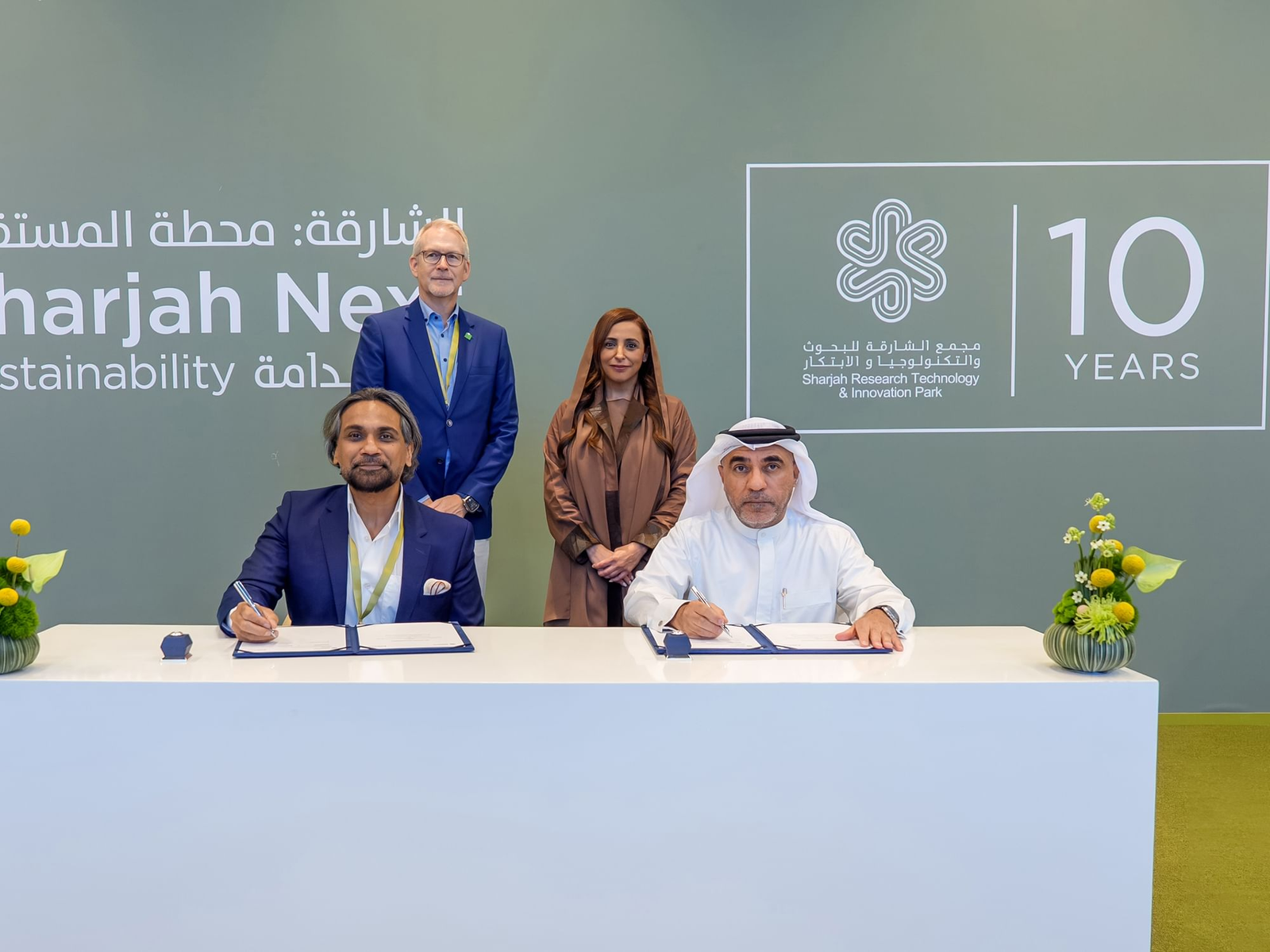
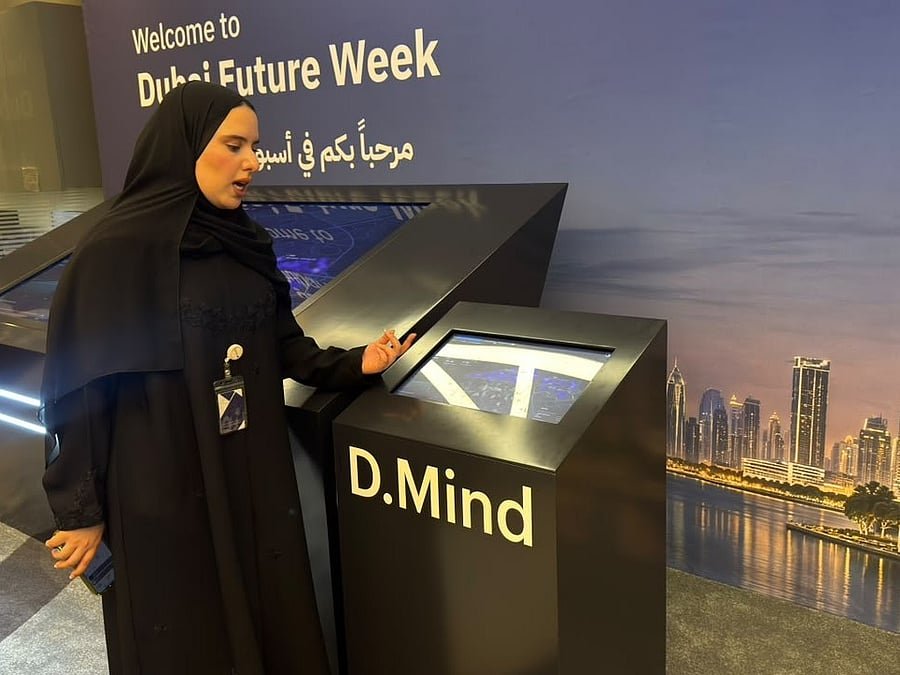
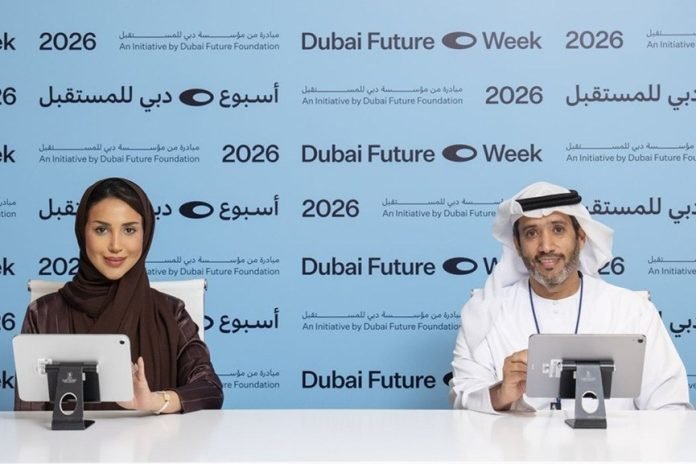
The Dubai Future Foundation and Emirates NBD announced a strategic partnership on 19 November during Dubai Future Week 2026, which runs until 21 November at Emirates Towers and the Museum of the Future. The agreement was signed by Saeed Al Falasi, director of the Dubai Centre for Artificial Intelligence, part of the foundation, and May AlMansoori, head of group Emiratisation at Emirates NBD.
Three programmes, from school pupils to bank executives
The partnership centres on three programmes: One Million Prompters, Dubai Future Academy and The Knowledge Society, known as TKS, Dubai. Together they cover the full ladder of AI skills, from a teenager’s first project to an executive’s planning for the next decade.
The aim is to strengthen the private sector’s role in building a steady pipeline of national talent, while advancing generative AI and prompt engineering skills and embedding strategic foresight into how organisations work. It also supports the Dubai Economic Agenda, known as D33, and Dubai’s annual plan to speed up the adoption and application of artificial intelligence.
Prompt engineering for bank staff and the public
Through One Million Prompters, Emirates NBD will promote AI literacy across its own organisation and the wider community, with a focus on prompt engineering skills, practical generative AI applications and joint hackathons that tackle real challenges in financial services.
The programme is the foundation’s flagship AI literacy effort, a free online course that aims to equip one million people with the skills to use AI tools. It runs in four one-hour modules and is open to learners of any age and from any country, so the bank’s involvement puts a major employer’s weight behind a course anyone can already take.
Teenagers get mentors from banking and tech
Through The Knowledge Society Dubai, Emirates NBD will give young innovators aged 13 to 17 direct access to senior banking and technology mentors, with chances to work on real-world projects in experimental settings and hands-on experience in AI and other emerging technologies.
Through Dubai Future Academy, the bank will help develop executive foresight programmes, scenario-planning initiatives and emerging technology curricula, giving leaders the tools to navigate rapid technological change. The three programmes are deliberately different in audience, but they share one idea: AI skill is not one course, it is a ladder, and people need a next step at every rung.
The bank that already leads on AI maturity
Emirates NBD was recently ranked the most AI-mature bank in the Middle East and Africa by the Evident AI Index, an independent assessment covering 65 indicators across four pillars: talent, innovation, leadership and transparency. That ranking is part of why this partnership matters: the bank is not starting from zero, it is putting its own experience to work for the wider community.
Eman Abdulrazzaq, the bank’s group chief operating officer and group chief human resources officer, said the bank is pleased to partner with the foundation across the three flagship initiatives to advance practical AI literacy, shape a more resilient and future-ready society, and nurture next-generation talent.
Building a future-ready financial institution starts with investing in people.
What the DFF and Emirates NBD deal means for AI skills in Dubai
Dubai has no shortage of AI announcements, and a partnership can easily become a logo on a slide. This one is worth watching because it has named programmes, named audiences and a named mechanism: the bank’s staff, its customers and the public all get a concrete next step, from a free prompt engineering course to a mentor for a 15-year-old.
The real test is participation. One Million Prompters is already free and open to all, so the question is whether the bank’s backing turns it from a course people have heard of into a course people actually finish. And TKS Dubai will be judged on whether its teenagers build something real, not just attend something impressive.
If those numbers move, Dubai will have shown how a bank and a government foundation can divide the work of building AI skills: the foundation sets the programmes, the bank brings the people. That is a model other sectors could copy, and it is a better use of a partnership than another round of speeches.