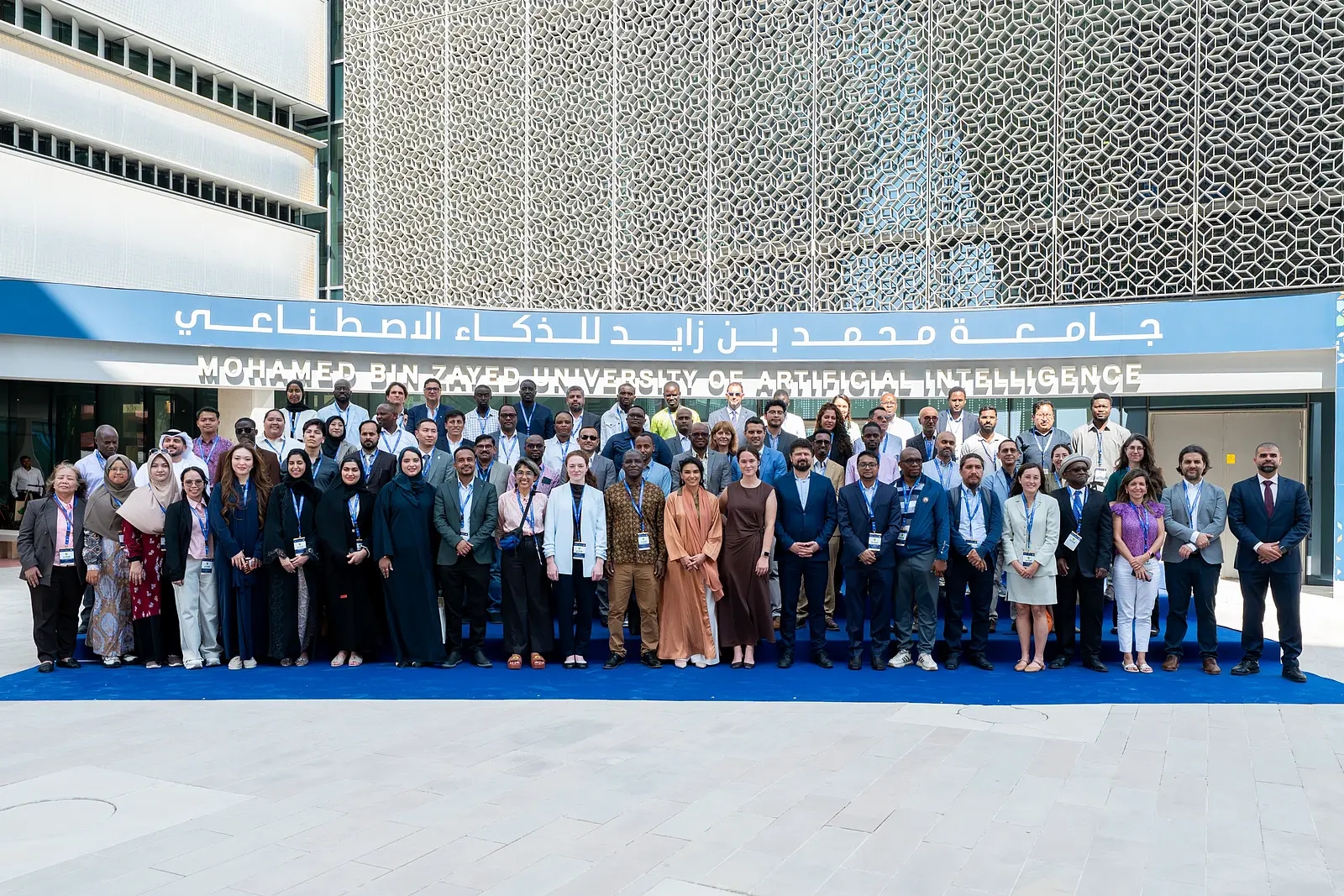
Abu Dhabi is building the foundations to get accurate weather forecasts into the hands of farmers across Africa, Asia and Latin America. Government officials from 15 countries have gathered in the capital this week for a specialised training programme on AI powered weather forecasting for agriculture.
The five day course runs from 9 to 13 November, and it is the second year of a UAE hosted programme that keeps growing.
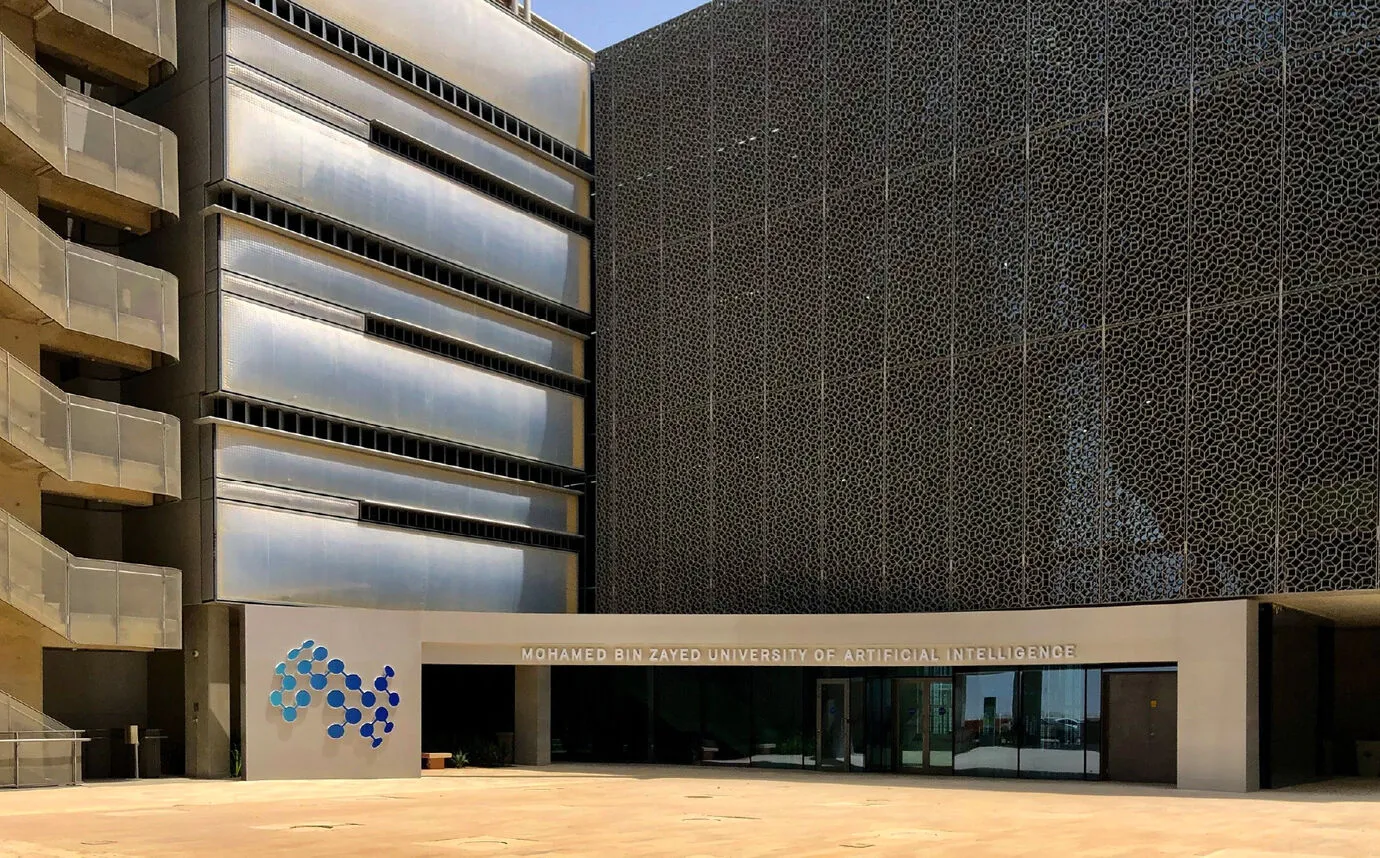
The programme is convened by the International Affairs Office at the UAE Presidential Court, and jointly organised by the Mohamed bin Zayed University of Artificial Intelligence and the University of Chicago, in collaboration with the Agricultural Innovation Mechanism for Scale, known as AIM for Scale, and the National Centre of Meteorology. Sessions take place at MBZUAI in Masdar City and at the National Centre of Meteorology.
Participants come from national meteorological and hydrological services and ministries of agriculture, the people who actually run their countries’ forecasting systems.
Two tracks, from weather models to farm advice
The programme runs two tracks. The first gives officials hands on experience running AI weather models, checking their accuracy against existing forecasting systems, and testing them with local observational data.
The second focuses on turning model output into advice farmers can act on, such as crop management guidance and preparation for extreme weather events. Each country team is expected to leave with an initial roadmap for bringing AI powered weather forecasting into its national services.
That practical focus is the point. A forecast only helps a farmer if it arrives in time, in a form they can use, and with the confidence to act on it.
Teaching officials to test AI models against their own data is how that confidence builds. NVIDIA has donated 14 Dell Pro Max GB10 workstations to the programme so each participating institution can carry on the work when it gets back home.
A bigger second year for the programme
The training builds on an inaugural cohort in 2025 involving Bangladesh, Chile, Ethiopia, Kenya and Sri Lanka. This year, Bolivia was added to the list of the participating countries and the programme aims to reach 30 countries over the next three years.
The initiative aims to strengthen national forecasting institutions in the Global South with hands on AI training and planning.
The programme sits within the Abu Dhabi AI Ecosystem for Global Agricultural Development, launched by the International Affairs Office in June 2025. Dr Abdulla Ahmed Al Mandous, Director General of the National Centre of Meteorology, said artificial intelligence is transforming how weather information can support better decisions in agriculture, food security and disaster resilience.
Fatema AlMulla, Head of International Relations at the International Affairs Office, said the true value of the programme is not just in understanding new models, but in building the connections and partnerships that make them useful to people. Professor Souhaib Ben Taieb, Chair of the Centre for Weather and Climate Science at MBZUAI, added that scientists are not only using AI to make forecasts better, they are also working to show farmers exactly how to use them.
What AI weather forecasting means for the world’s farmers
A better forecast is only useful if it changes what a farmer does on Monday morning, and that is the real test for this programme. Training officials to use AI models is only the first part of the work.
The second part is to develop forecast products that are clear, trusted and used, whether by putting them in farmers’ phones or by sharing them through services they already rely on. The UAE deserves credit for funding the learning and the equipment, rather than just hosting a meeting.
But the real measure will come after the workstations are switched on back home. Each country team is expected to leave with an action plan for their institution, and the right test over the next 12 months would be to see those plans actually put in place.
If even half of them are, farmers in some of the world’s most climate exposed regions will get earlier, clearer warnings about dry spells and flooding. That is the outcome a training course should be judged on, not just the number of countries it reaches.