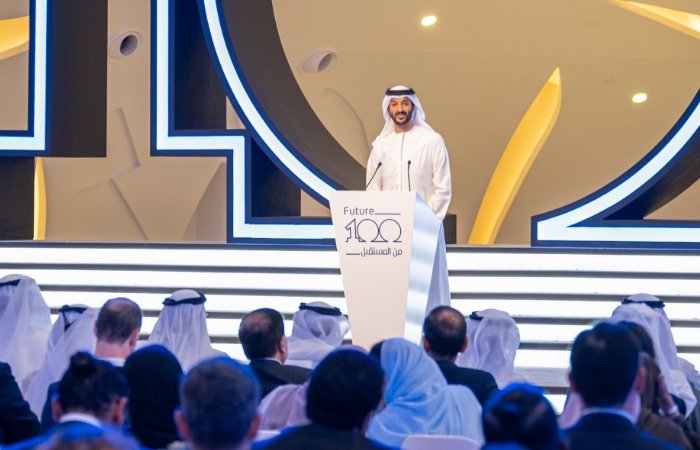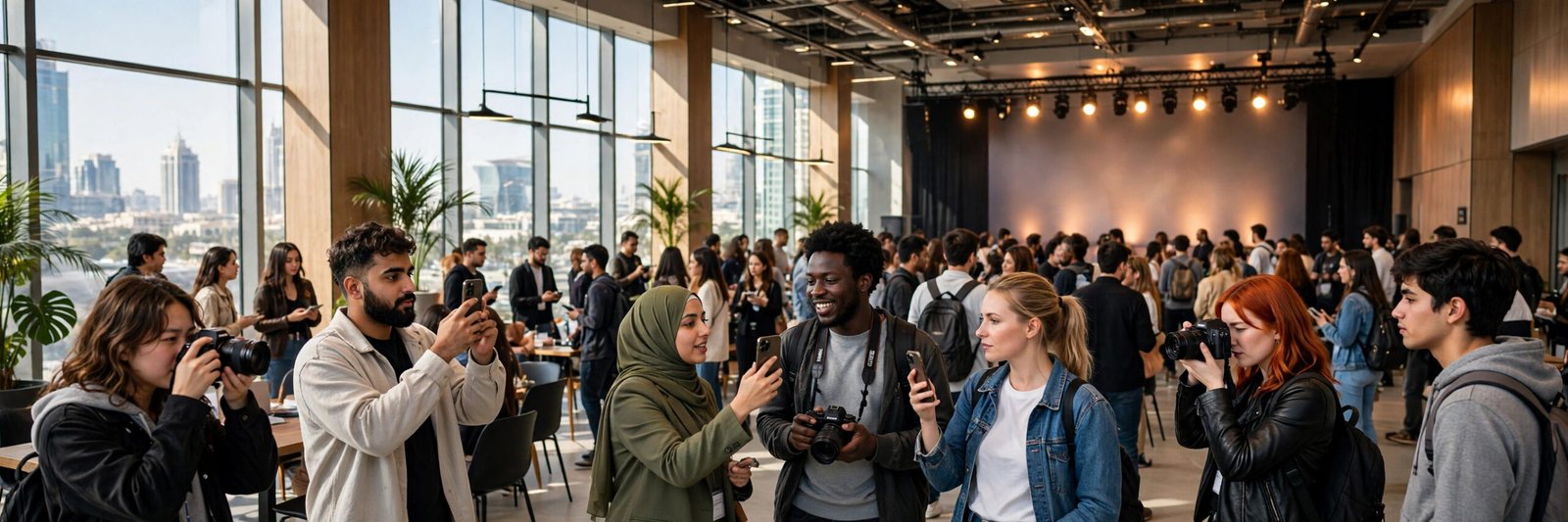
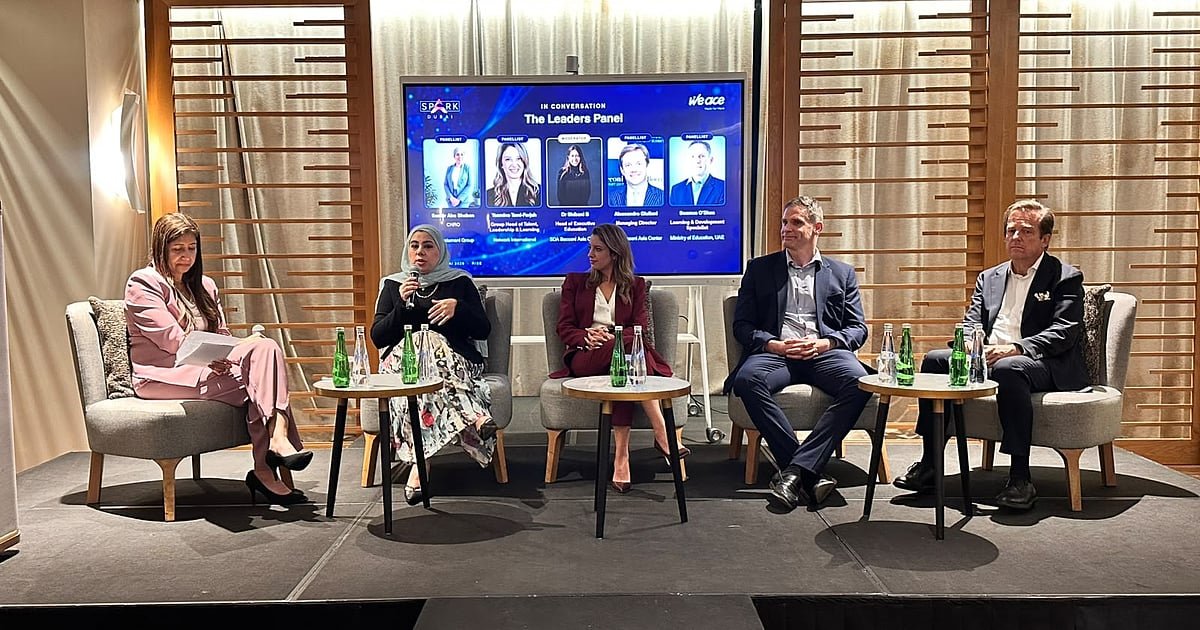
WeAce brought business leaders, HR decision makers and educators together in Dubai this week for SPARK Dubai 2026, its flagship leadership summit. The theme was RISE: Bolder Thinking, Bigger Possibilities.
The centrepiece was a new white paper, The Human Advantage in the Age of AI: Reimagining Leadership Development. Its argument is simple: AI should make coaching more continuous, not make human coaches unnecessary.
SDA Bocconi Asia Center joined as the presenting partner for the event, which took place on Thursday. WeAce used the day to set out how it thinks companies should pair its AI coach, NEXA, with real human mentors.
A summit about who leads, not just what AI does
The event opened with the bigger picture. Dubai’s D33 Agenda aims to double the size of the city’s economy by 2033, and the UAE wants to be a global leader in AI by 2031. WeAce’s point was that someone still has to lead the organisations those plans depend on.
For decades, companies have faced an awkward choice. High touch human coaching went to top executives, while everyone else got digital modules. Emerging leaders and first time managers sat in the middle, with only occasional support.
Traditional training has another weakness. Up to 75 per cent of information that is never applied can be forgotten, a pattern known as the forgetting curve. WeAce argues that leadership development has to become continuous, not a workshop that fades by Monday.
The white paper’s answer: coaches and AI together
The white paper proposes a Hybrid Coaching Model. Human coaches set the strategic direction, build trust and anchor psychological safety, while on demand AI supports reflection, goal setting, nudges and behavioural insights between sessions.
That is where NEXA fits. WeAce’s AI coach and mentor helps employees reflect on experiences, prepare for difficult conversations, explore career decisions and build confidence before they act, with governance guardrails around it.
The paper also lays out a practical route for employers, a 12 to 24 month roadmap for chief human resources officers that starts with a 90 day pilot. WeAce says NEXA is already being adopted across the region, and it counts Etihad WE, flydubai and Network International among its UAE clients.
Why Dubai firms are listening now
Timing helps explain the turnout. AI is projected to contribute 320 billion dollars to the Middle East economy by 2030, including close to 14 per cent of the UAE’s GDP, so leaders who cannot use the technology will struggle to keep up.
Emiratisation adds urgency. Private sector firms with 50 or more employees have until 31 December to reach 10 per cent Emiratis in skilled roles, which means capability has to be built quickly inside relationship driven business cultures.
Anuranjita Kumar, WeAce’s cofounder and chief executive, who is now based in Dubai, put it plainly at the event. She said AI makes reflection continuous in the flow of work, while human coaches bring the empathy and judgment technology cannot replace.
What SPARK Dubai means for the region’s managers
The useful thing about WeAce’s argument is that it refuses the easy version of this story. The company is not saying AI will replace coaches, and it is not saying coaches can ignore AI. It is saying the two do different jobs, and a company that buys only one of them will feel the gap.
That is a harder sell than a shiny demo, because it asks HR teams to change how they budget, measure and run development, not just buy a tool. But it is also the version most likely to survive contact with real managers, who need a nudge on Tuesday, not a certificate in January.
If Dubai’s firms take the message seriously, the next few years will show it in small ways: more managers getting regular coaching, fewer one off workshops, and AI that quietly keeps the conversation going between sessions.