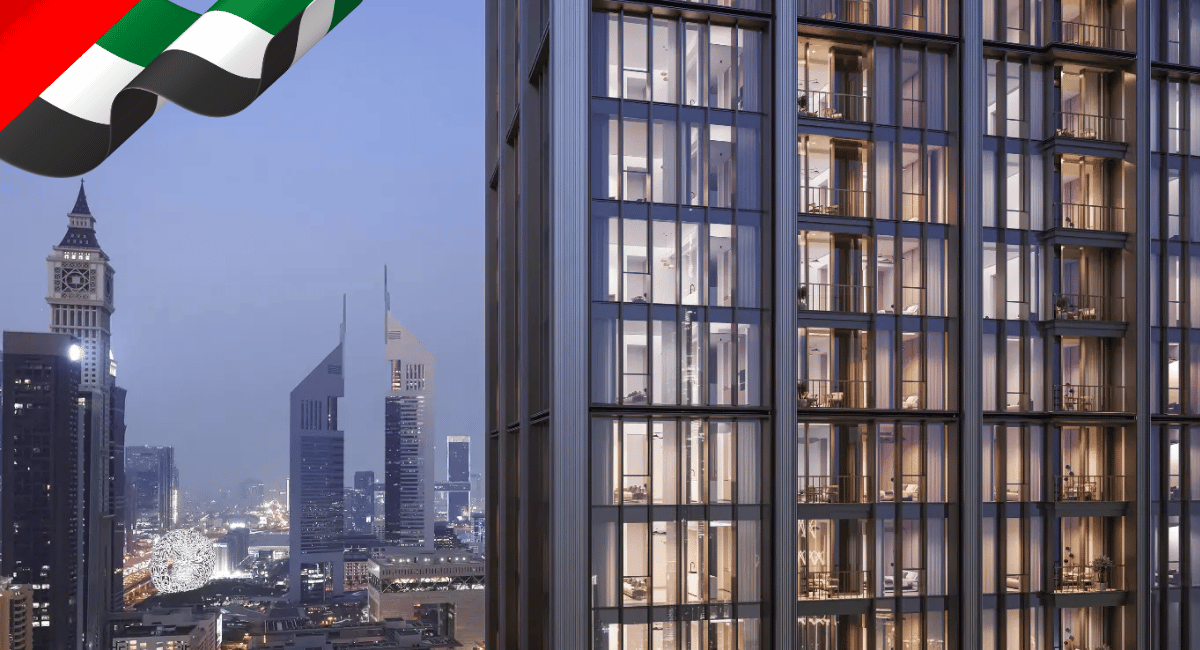
DIFC has announced a major transformation that could change how financial hubs operate worldwide.
Dubai International Financial Centre will build an AI native finance hub in Dubai, creating 25,000 jobs across UAE with a $3.5B economic impact.
Instead of testing AI in small use cases, the center will integrate artificial intelligence across its entire ecosystem.
This includes legal frameworks, compliance systems, internal operations, and how companies function within the district. AI will not act as a support tool. It will become the base layer of the financial system.
This shift has been in progress since 2023. DIFC introduced a structured AI strategy, strengthened data governance policies, and updated regulations to include AI under its data protection law. It has also started using AI tools in areas like compliance and client management.
These early implementations show that DIFC is already moving from planning to execution.
DIFC’s Journey to the World’s First
AI Financial Centre
Seven milestones across three phases · 2017 — 2030
Building AI Infrastructure, Governance, and Real World Financial Use Cases
DIFC is building a complete ecosystem where companies can develop and scale AI solutions in one place.
A key part of this vision is a full-stack AI campus. This campus will combine regulatory support, training programs, computing power, and physical AI systems. It will allow startups and enterprises to build, test, and deploy AI systems without friction.
At the same time, DIFC is focusing on trust and accountability. Financial systems require high accuracy, so strong governance is essential. The center is developing frameworks that define how AI should operate in financial services. These frameworks will cover ethics, transparency, and accountability across both human and AI systems.
AI will also directly improve financial operations. It will support real-time decision making, automate compliance processes, and improve customer interactions. DIFC aims to move from partial automation to complete workflow automation with human oversight where needed.
Smart Infrastructure and AI Powered Financial District Vision for 2030
DIFC’s plan goes beyond software and financial systems. It also includes transforming its physical environment into an intelligent system.
By 2030, the district will include smart buildings that respond to data in real time. It will use autonomous mobility systems and service robotics across facilities. Digital twins will help simulate and manage infrastructure more efficiently.
This will create a connected environment where physical and digital systems work together. DIFC describes this as a city within a city model powered by AI.
How DIFC’s AI Native Shift Will Boost UAE Startup Growth and Job Creation
This initiative is expected to deliver a strong economic impact across Dubai and the UAE.
DIFC estimates $3.5 billion in economic value and 25,000 new jobs as a direct outcome. These jobs will span AI engineering, fintech, compliance, and infrastructure roles.
The move will also attract startups, investors, and global tech firms. By offering a complete AI ecosystem with regulation, infrastructure, and talent in one place, DIFC becomes a strong destination for AI and fintech companies.
According to Essa Kazim, this transformation strengthens Dubai’s position as a global leader in future finance. It supports faster AI adoption while maintaining trust and competitiveness.
In the long term, this can increase startup formation, improve access to funding, and create more AI-driven companies. It also supports employment by preparing talent for new types of roles shaped by AI.
DIFC’s approach shows how a financial hub can drive innovation, attract global capital, and create jobs at scale.