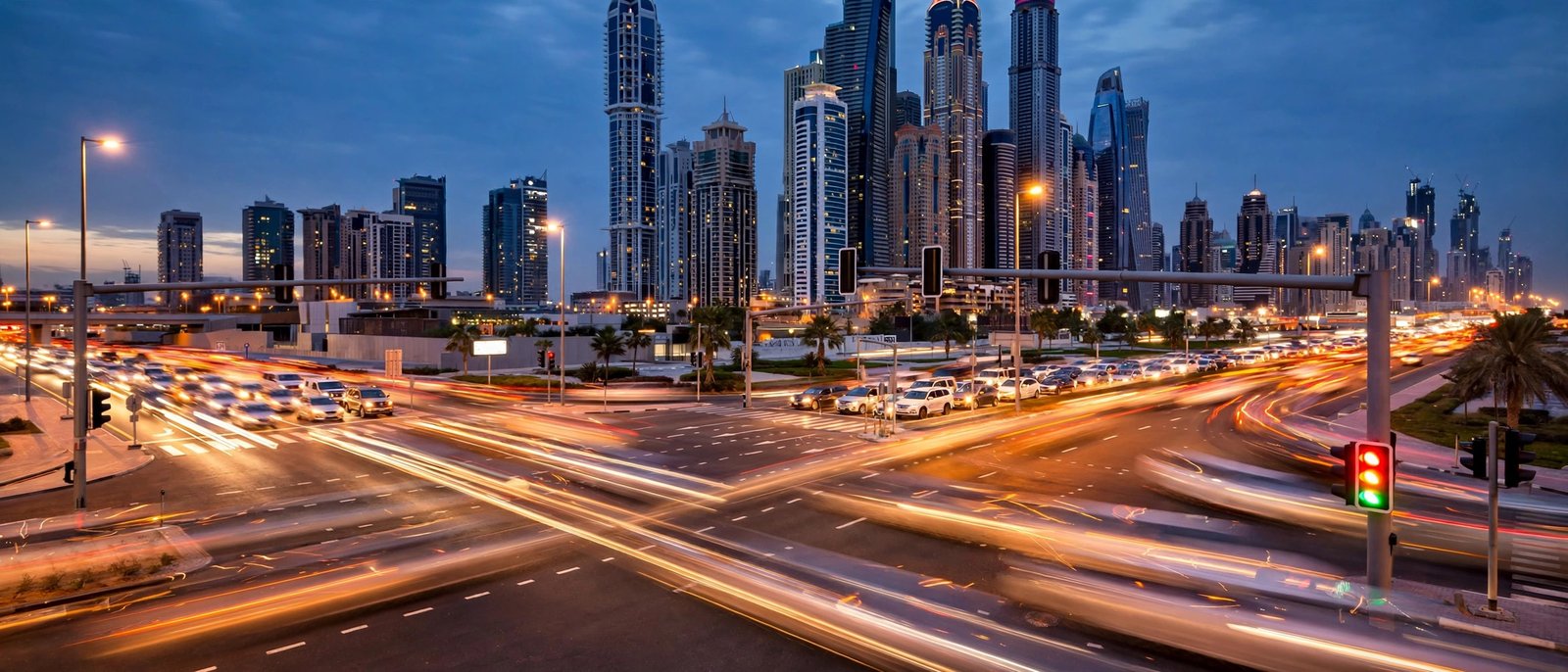
Dubai’s traffic lights are about to get smarter. The Roads and Transport Authority says AI-powered traffic signals could cut congestion in the city by at least 10 percent, as part of a new artificial intelligence strategy that covers 41 areas of the authority’s work. The plans were outlined on 5 November 2026 by Ahmed Bahrozyan, chief executive of the RTA’s Corporate Technology Support Services Sector.
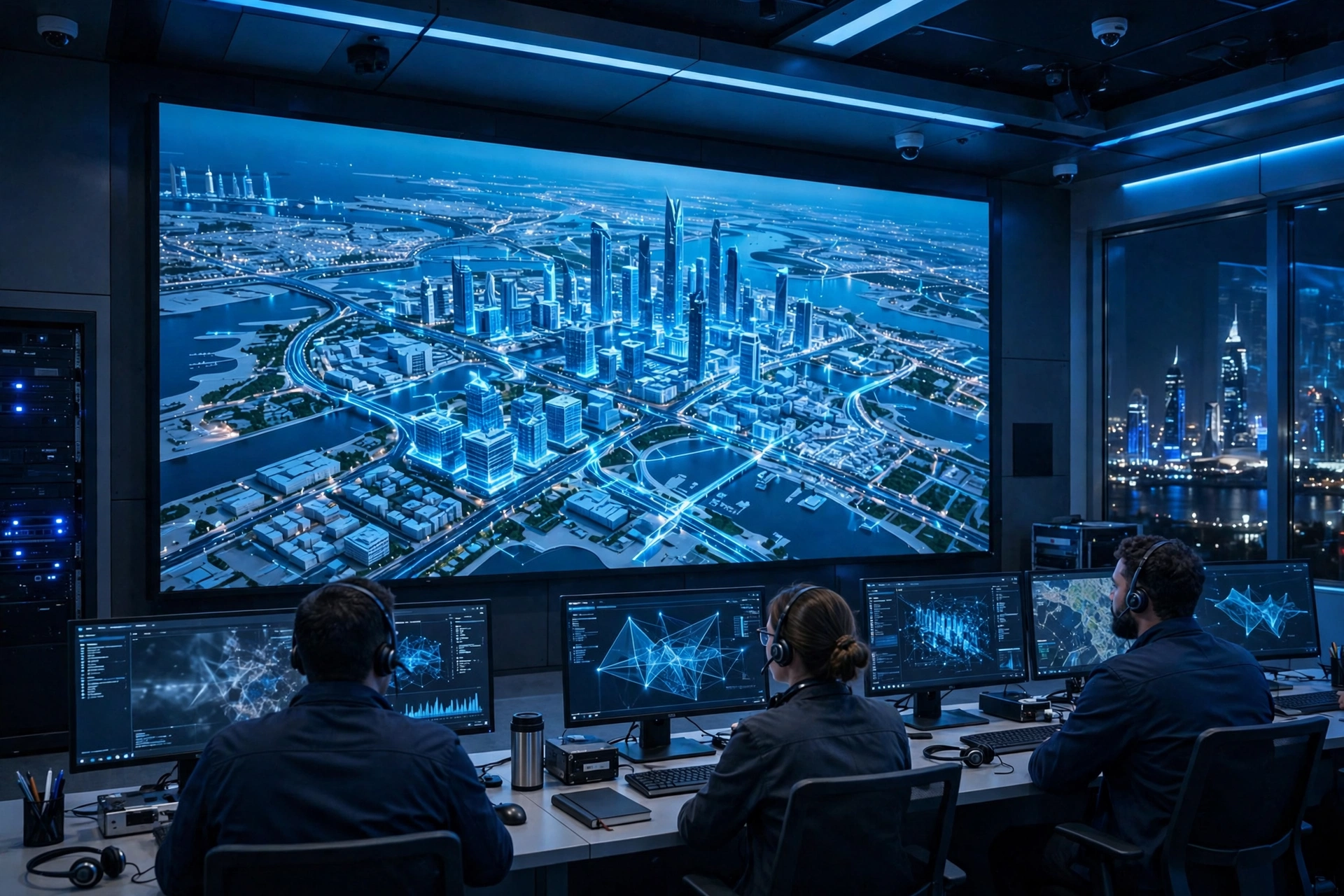
Speaking on the Direct Line programme on Dubai Radio, Bahrozyan said work is already under way to connect every traffic signal in Dubai to the authority’s traffic management centre in Al Barsha. That connection project is expected to be completed early next year. Once it is done, artificial intelligence will use information from cameras and existing systems to predict congestion and adjust signal timings as conditions change.
Traffic lights that think ahead instead of reacting
Today’s traffic lights mostly follow fixed timings, with some adjustments during the day. The new system will work differently. AI will watch traffic patterns, spot bottlenecks before they build up and change signal timings on the spot to keep vehicles moving. The idea is to make signal management more responsive than it is today, and Bahrozyan expects the change to cut congestion by at least 10 percent, alongside other projects that will also help ease traffic.
The RTA already manages traffic signals through its Al Barsha centre and works in continuous coordination with Dubai Police. The AI upgrade builds on that setup rather than replacing it. The difference is that decisions about timings will be driven by live data and predictions, instead of fixed schedules and manual adjustments.
Every signal in Dubai will link to one control centre
Connecting all of Dubai’s traffic signals to a single centre is the foundation of the plan. It gives the RTA one view of the network and one place from which timings can be managed. The project is expected to be finished early next year, and it is the first step before the AI systems take over more of the day-to-day decisions about how signals respond to traffic.
The traffic light upgrade is only one part of a much bigger strategy. The RTA’s updated AI strategy covers 41 areas across its agencies, sectors and departments, and AI will be built into those areas extensively over the next two and a half years. The rollout is divided into six phases, and the authority is currently working on the first and second phases, with the remaining four planned over the next two years.
Paying fines and renewing licences through an AI assistant
The strategy goes well beyond traffic management. Motorists will increasingly be able to use services by talking to an AI assistant, instead of working through individual digital processes. Bahrozyan gave paying fines, renewing vehicle registrations and renewing driving licences as examples of transactions the assistant will handle. More than 50 percent of service operations are expected to move to an AI-assistant system within the next two years.
The aim is to make services easier to use while improving the efficiency of the departments behind them. The strategy is expected to generate more than Dh300 million in annual added value through better efficiency and better services for the public. AI will also support planning across the public transport network, including buses, the Metro and marine transport.
A strategy that spans 41 areas of the RTA
Alongside transport operations, the strategy covers support functions such as contracts, procurement, finance and human resources. Priorities have been chosen to balance improvements in public-facing services with greater internal efficiency. Bahrozyan said the pace of technological change meant the strategy is reviewed every six months to a year, so the authority keeps up with developments.
Managing the RTA’s growing portfolio of infrastructure is another key focus. Bahrozyan estimated that the authority’s assets are worth more than Dh150 billion, with major transport and road projects adding to that portfolio. As the number, scale and value of those assets increase, relying on conventional monitoring by staff and inspectors becomes harder. AI could expand asset-monitoring coverage to around five times its current level, helping the RTA maintain and protect its infrastructure.