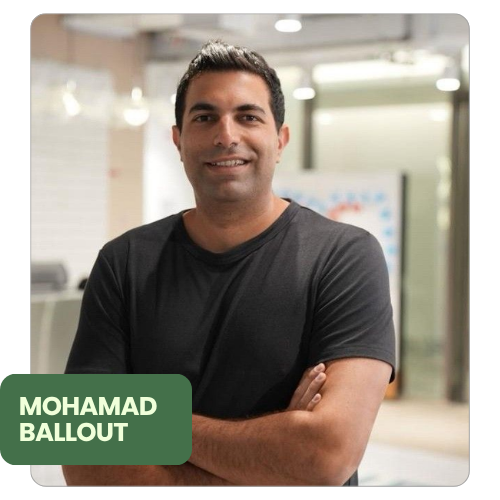
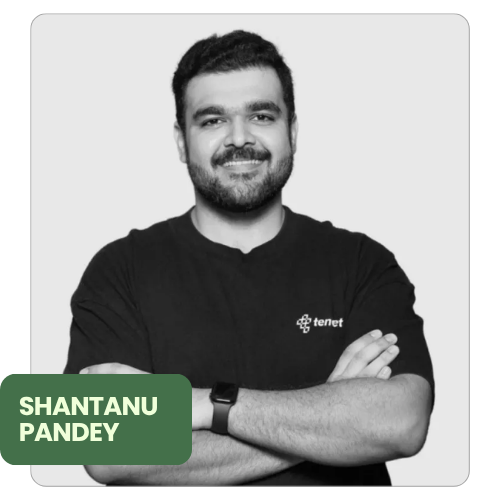
Shantanu Pandey is the founder and CEO of Tenet, a global design and growth company that operates across the UAE, UK, and India. He did not start with a large vision or funding. He began as a freelancer, working closely with brands and learning what actually drives results.
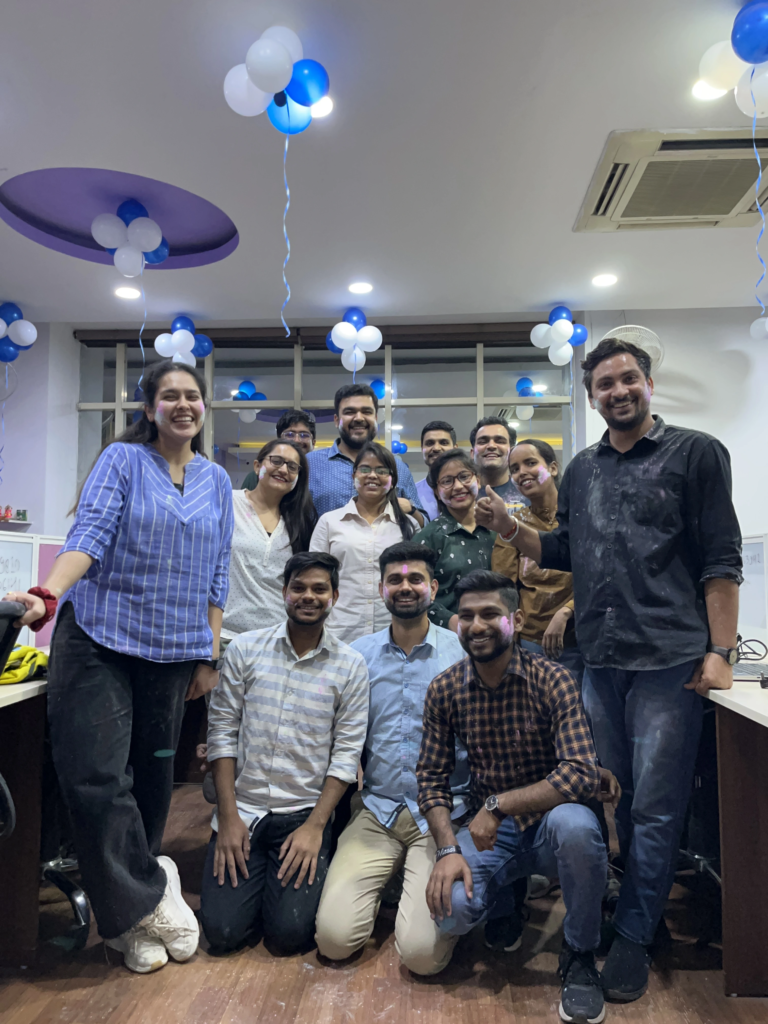
Over time, he noticed a gap in the service business:
Most agencies focused on output, not outcomes. Teams worked in silos, and clients were left connecting the dots. Shantanu built Tenet to fix this.
His focus stayed clear from day one. Simplify complexity and tie every effort to real business growth.
1. Simplicity is a business advantage, not a design choice
Many agencies try to impress clients with technical depth. They use complex frameworks, long presentations, and heavy jargon. This often creates confusion instead of clarity.
Shantanu took a different route. He made sure clients always understood what is being done and how it impacts their business. This required more thinking, not less.
When clients clearly understand the value, decision cycles become faster. Projects move smoothly and trust builds naturally. In a noisy market, the ability to simplify becomes a real edge.
2. Your structure decides your output
Tenet did not grow because of talent alone. It grew because of how the company was structured. Instead of separating teams, Shantanu created a system where research, design, build, and growth work as one flow.
This changed how problems were solved. A design decision was not just about visuals. It connected to conversions. A development choice was not just technical. It connected to user behavior.
When structure is aligned with outcomes, execution improves without extra effort. Most companies try to fix results. Few fix the structure behind them.
3. Growth can hide serious problems
Early growth at Tenet looked strong from the outside. They were taking on every project that came in. Any client, any timeline, any scope. This helped them grow fast, but it started creating pressure internally.
The team was stretched thin. Quality began to drop. People were burning out. These were not visible in revenue numbers, but they were real risks building underneath.
So, Shantanu stepped in before things broke further. He made a clear shift. The company stopped saying yes to everything. They introduced strict client selection criteria and turned down projects where they could not deliver strong results.
They also refined their services and removed areas where they could not maintain high standards. This was a risky move because it slowed new business in the short term.
But the outcome was clear within months. Average project value increased. Client retention jumped from 68% to 91%. The team had more focus and better control over quality.
This shows a key lesson. Growth can look good while problems build underneath. If you do not pause and fix them, they will limit your next stage of growth.
4. The real pitch happens before the project starts
Most agencies sell first and think later. Tenet flipped this approach. They invested time upfront to deeply understand the client’s business before even signing a contract.
This discovery process was not surface level. It was detailed enough to predict whether they could deliver strong ROI. In some cases, they walked away if the fit was not right.
This built credibility early. Clients saw value even before the engagement started. It also reduced failed projects because expectations were clear from the beginning.
5. Systems help you scale without losing quality
As Tenet expanded across countries, managing quality became harder. More clients meant more complexity. Without structure, consistency would break.
Instead of relying only on talent, Shantanu focused on building systems that support execution. One example is their use of dedicated cross functional teams. Each client gets a team of 6 to 8 specialists who stay throughout the engagement. This builds strong understanding and avoids constant handoffs.
They also built internal knowledge systems powered by AI. These systems capture learnings from past projects and share them across teams. This helps new projects start with better context instead of starting from zero every time.
Another example is their proprietary frameworks like the UX Optimization Framework. It was built using insights from over 1000 client engagements across industries. This allows them to deliver more predictable improvements instead of guessing outcomes.
They also tied performance to measurable results using tracking systems and analytics. This ensures that every project is connected to business impact, not just output.
6. Strong client relationships are built in small moments
Shantanu believes that business is not company-to-company. It is person-to-person. This belief shows in how Tenet handles communication.
They do not wait for clients to ask for updates. They share progress early. When clients suggest ideas that may not work, they do not reject them directly. They guide the conversation and offer better alternatives.
These small actions build trust over time. When multiple stakeholders inside a company trust you, the relationship becomes stable. Competitors may offer lower prices, but they cannot replace trust easily.